When we began our research for the Masai Mara National Reserve, we found information to be scattered across the Internet. Climate information at one place, visa at another, what to carry at yet another… We made a mental note then itself that we would list down the useful bits at one place when we got back!
So, without much preamble, listing down the top 10 things you need to keep in mind if you are planning a trip to the beautiful Masai Mara.
1. Best Time to Go – We will not get into what the Great Migration is. But just suffice to say that it is the BEST time to visit the Mara if you want to see thousands of animals. July – September is the time when the wild beasts move from Tanzania to Kenya; they return to Tanzania in January – March.
Jul – Sep is the busiest time of the year for the National Reserve. So, make your bookings well in advance. The costs will be inflated in this quarter, but if you delay, there is a likelihood of not getting accommodation/ vehicles at all. We finalized our trip in June to travel in August! <facepalm>
2. Getting There – There is no direct connectivity to the Reserve. The closest international airport is Nairobi. For Indians, while there are direct flights from Mumbai to Nairobi, this does not hold for New Delhi. There are innumerable options available for hopping – either through Mumbai or to one of the many cities in the middle east.
We chose the route of New Delhi – Muscat – Nairobi by Oman Air.
3. Visa for Indians – Kenya has a convenient e-visa system. Go to the visa website, create an account, fill out the application form, & pay the visa fee online. Once your e-visa is approved, you can download the PDF on your handheld device to use during immigration.
As a tourist, you will be eligible for a Single-Entry Visa.
4. Yellow Fever Vaccination – The Yellow Fever Vaccine is needed by those traveling to certain African countries. There are specific places that are authorized to give this vaccination – a simple google search will throw up the names. However, note that each of these places have either a booking system or a specific day/ time when they give this vaccine. So, it is not like you can simply walk in & get this done.
We got ours done at Public Health Lab Building, Delhi. There is a registration window lasting till 10:30 AM; the vaccination begins at 11 AM. If you are aware of your allergies (especially egg – related allergies), please let the officer-in-charge know upfront.
Please note – you have to carry your passport for the vaccination.
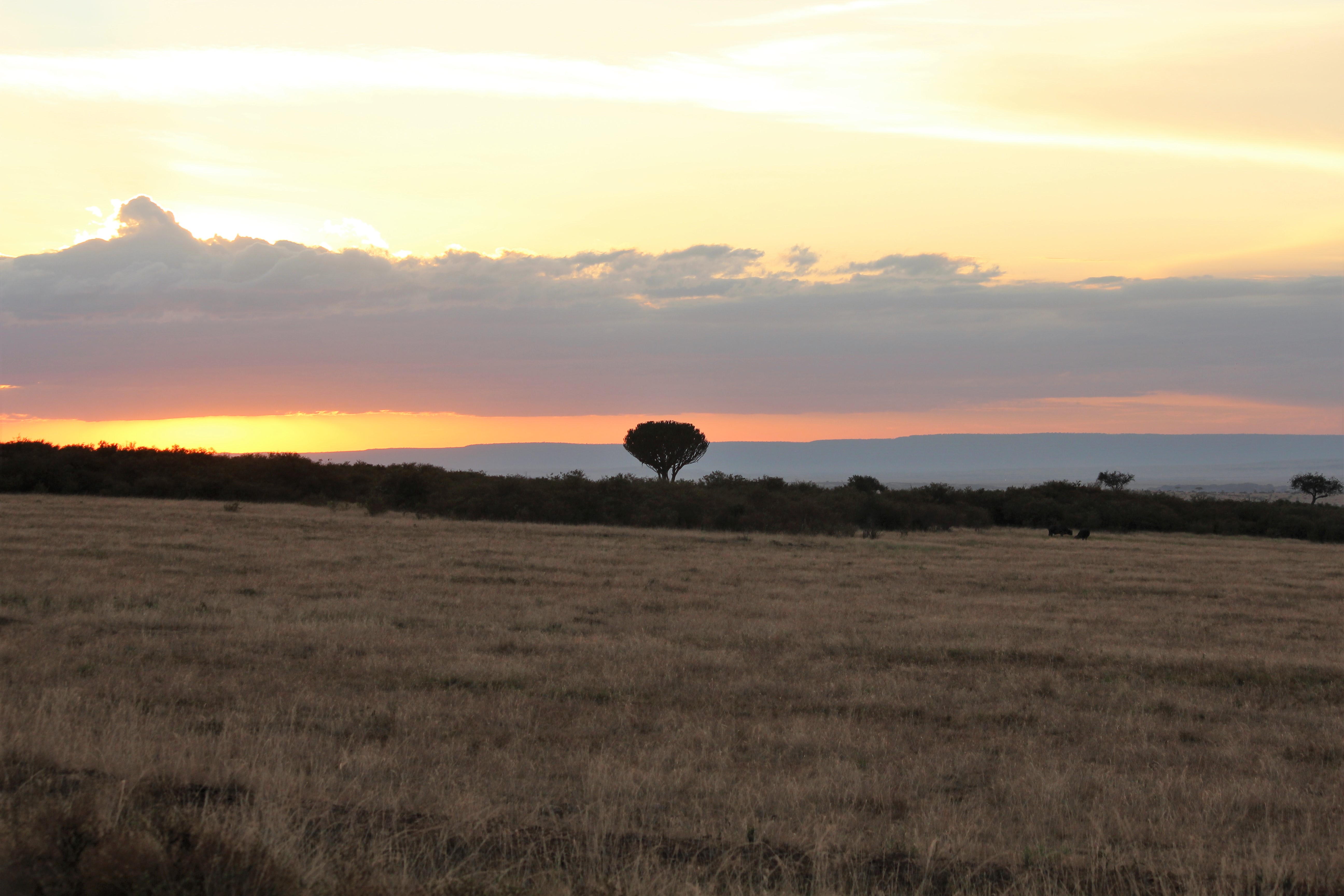
5. Weather – Being close to the Equator, the weather is cooler from July to September. It is cold in early morning & late evening. For our sunrise & sunset safaris, & for our dinners, we would step out with a jacket.
We recommend carrying a light jacket at least; it will be useful in the Savannah (the temperatures can be even lower there). Typically, these months also see a bit of rainfall but we were lucky to have avoided it.
The Jacuzzi looked inviting as the Sun shone overhead. But the moment we got in, we froze to our bones & emerged promptly with chattering teeth.
6. The Sun – The weather is pleasant but the direct Sun is strong. Walking in the Sun made us sweat like pigs. But the moment we entered the shade, it became nippy. Also, the wind was never hot. We recommend carrying a cap/ hat & sunglasses.
7. Travel Agency – As it was our first trip to Africa, we were unsure of what to expect. We felt it practical to use a travel agency. We found agencies ranging from INR 3L to INR 10L! So, irrespective of your budget, you will be able to find an agency.
We availed the services of Kiboko Kenya Safaris; read our review here.

8. Accommodation – There is no dearth of accommodation in & around the Masai Mara National Reserve. Unlike India, where staying inside forest reserves is not allowed, the Masai Mara has plenty of options inside the reserve itself. In terms of quality, there is no difference. However, the camps/ resorts within the national reserve come with an added bonus of animal noises at night!
We stayed at Sentrim Mara -& had a great time there.
9. Food – A complete nonissue! Many people are wary of traveling to Africa as they have preconceived notions about the food. If you have any such notions, dispel them immediately. We did not have any problem of finding food suitable to our palate. African, European & Indian foods are available aplenty.
Kenya has a sizable Indian diaspora; thus, Indian food is extremely common. Plenty of vegetarian options available too!
10. Clothing – Like with any wildlife safari, it is better to wear earthy, muted tones. Wear fully-covered clothing to prevent insect bites & sunburn/ tan. We wore full-legged pants on all the days, yet got bitten by microscopic insects.
11. Bio Breaks During Game Drives – We were worried about the loo aspect as we are high water drinkers. The sunrise/ sunset safaris last for two hours typically. That is a manageable time for not using a loo. In a full day game drive, the driver makes two stops, at intervals of about three hours.
For us, one of the stops was in a lodge where the loo was clean & easy to use. The other stop was in a public facility, which was basically a hole in the ground! We dehydrated ourselves a bit to avoid getting our bladders full.
But we will advise against not drinking water at all, because the Sun will compel you to. Drink in moderation, so that you do not end up uncomfortable.
12. Safety – We traveled during daylight hours. Our driver stopped at respectable places. Safety was not a challenge for us, neither should it be for you.
In the reserve & the camp, pay heed to security warnings issued by the guide/ management. You are in wildlife territory. Leopards & hyenas are known to wander into human areas. Maybe they are as curious about us as we are about them!
13. Game Drive – Drives are carried out in two kinds of vehicles – vans & Land Cruisers. While both are customized for game watching, we feel the Land Cruiser is a more comfortable, more spacious, & thus, a better option.
Also, you can opt for a dedicated vehicle or a shared one. The dedicated vehicle is expensive undoubtedly, but it is value for money. We had a dedicated vehicle with just the two of us in it! It made our movement within the vehicle to take photos from different angles extremely easy.

There are three kinds of safaris – sunrise, full day & sunset. The sunrise & sunset game drives last for a couple of hours. The full day drive is from 8 AM to 3 PM.
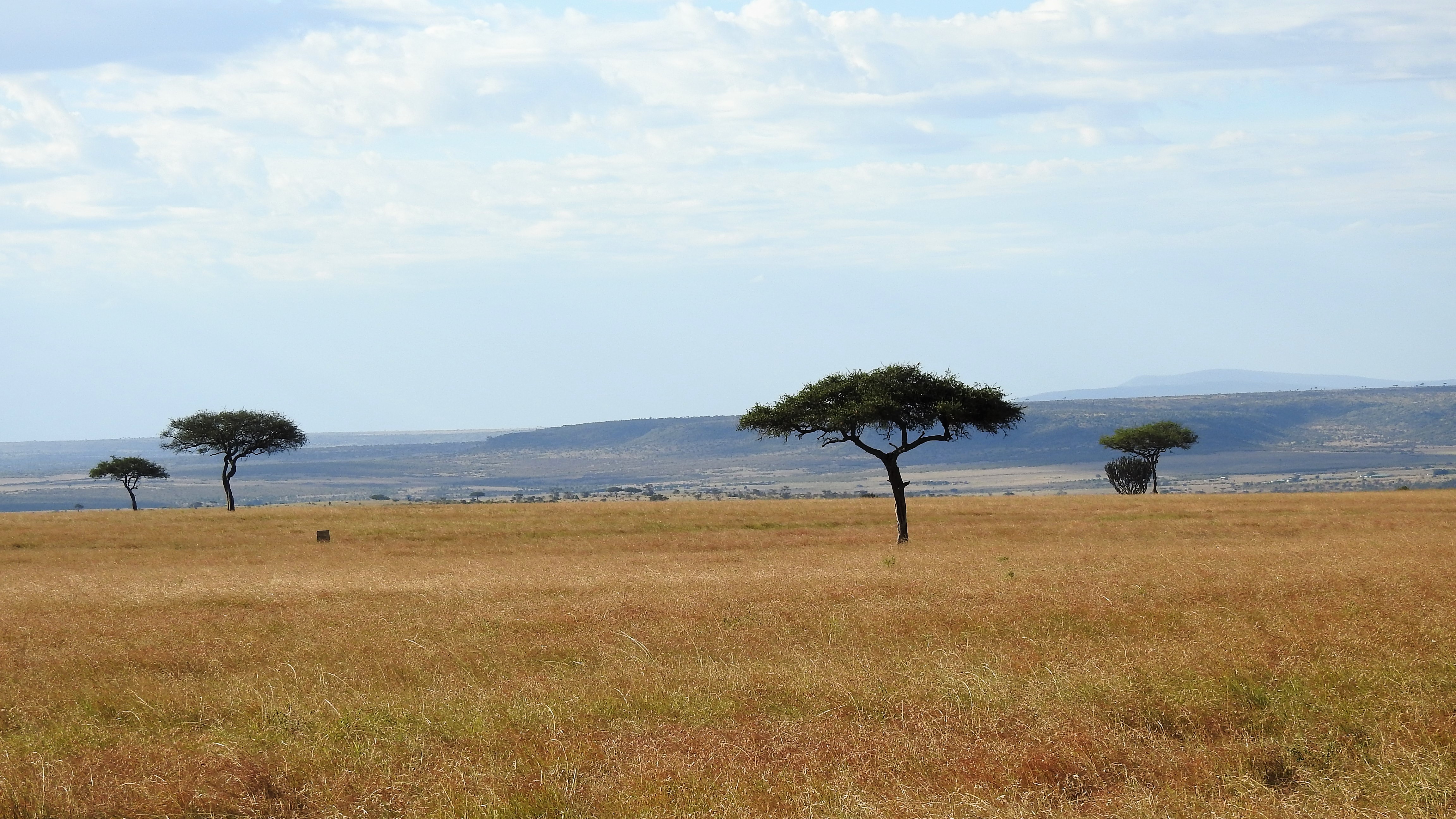
a. Sunrise Safari – You enter the Masai Mara National Reserve a little before the sun rises. Witness the sunrise against a backdrop of wildlife & acacia trees. The hot air balloon rides take place at this hour, & make for pretty photographs.
The sunrise game drive is the best time to see the big cats in action, as well as nocturnal animals heading home. We saw a hyena, a jackal & a serval cat slinking away after a night of notoriety. We then saw a display of ‘Might Is Right’ between a honeymooning lion & lioness, and a cheetah. Read this story here.
i. Birds Spotted – Common Ostrich, Yellow-Fronted Canary
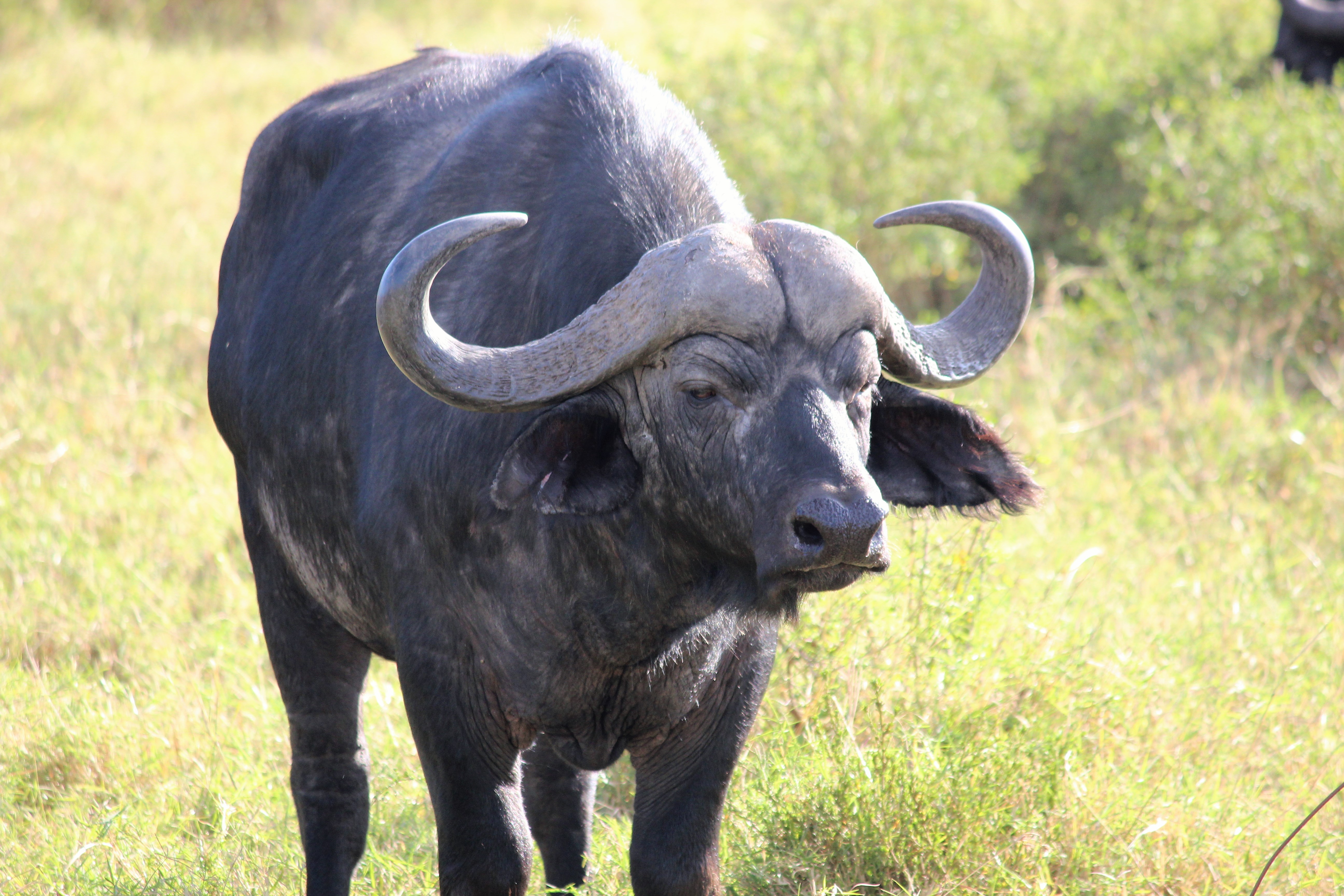
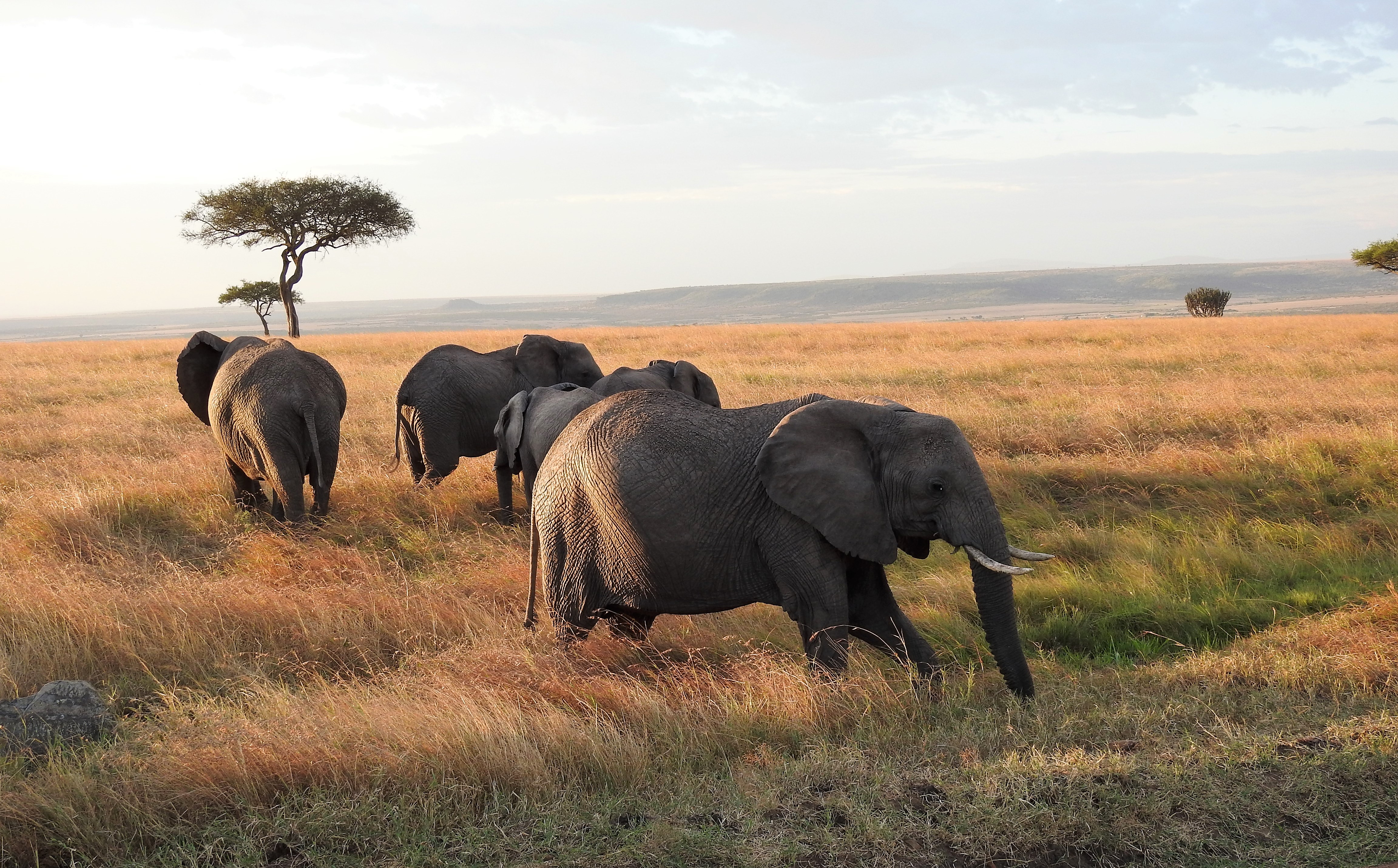
ii. Mammals Spotted – Plains Zebra, Cape Buffalo, Thomson’s Gazelle, East African jackal, African Bush Elephant, Cheetah, East African Lion, Masai Giraffe, Wildebeest
b. Full Day Drive – Alfred got our lunch packed & we headed out for a day of wildlife spotting. This safari is great to see the most number & variety of animals.
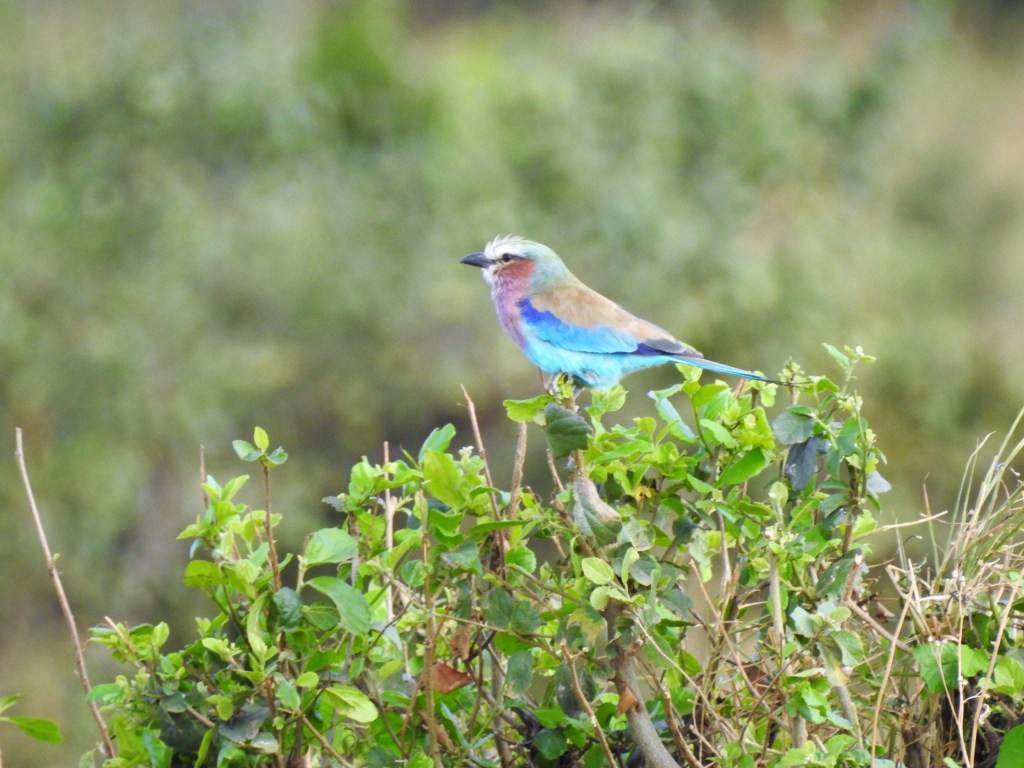
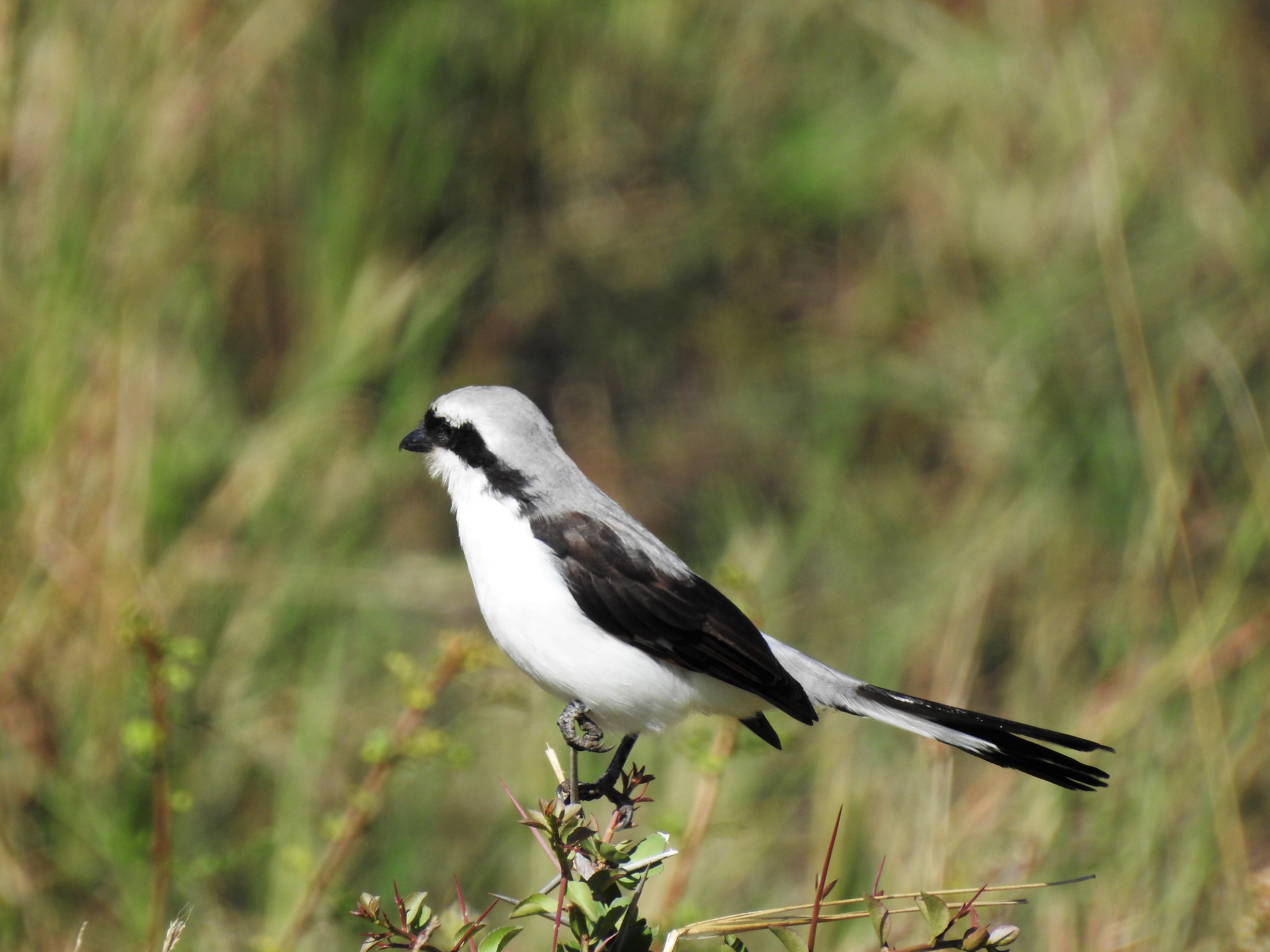
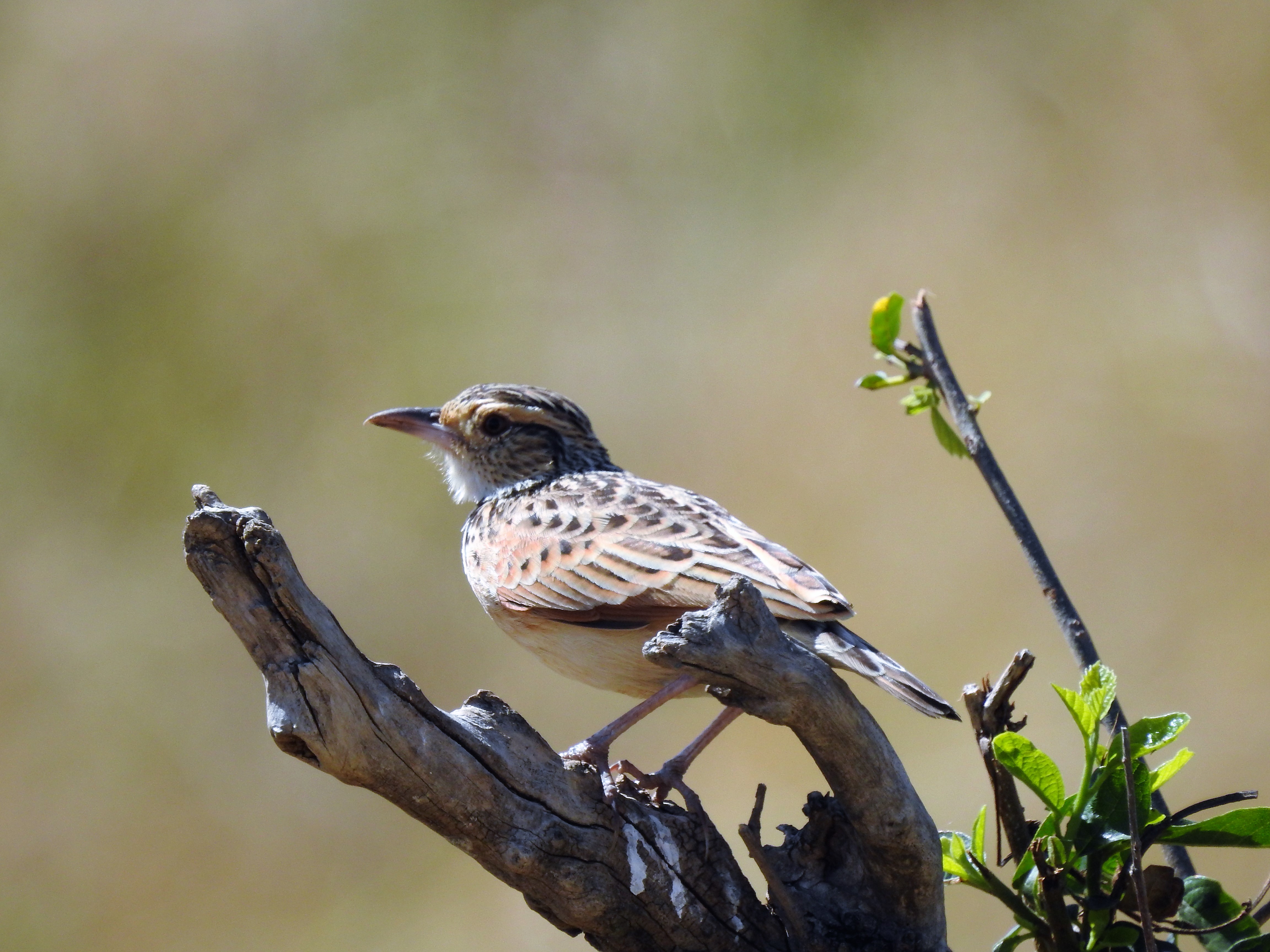
i. Birds Spotted – African Pied Wagtail, Yellow-billed Ox-pecker, Common Ostrich, Rufous – Naped Lark, African Wattled Lapwing, Cinnamon-Chested Bee-Eater, Greater Blue-Eared Starling, Yellow-Fronted Canary, Slate – Coloured Boubou, Hildebrandt’s Starling, Egyptian Goose, White-Bellied Bustard, Scaly Francolin, White-Backed Vulture, Lilac Breasted Roller, Red-Cheeked Cordon-Bleu, Superb Starling, Abbott’s Starling, White-Faced Whistling Ducks, Yellow-Billed Stork, Maribou Stork, Lappet-Faced Vulture
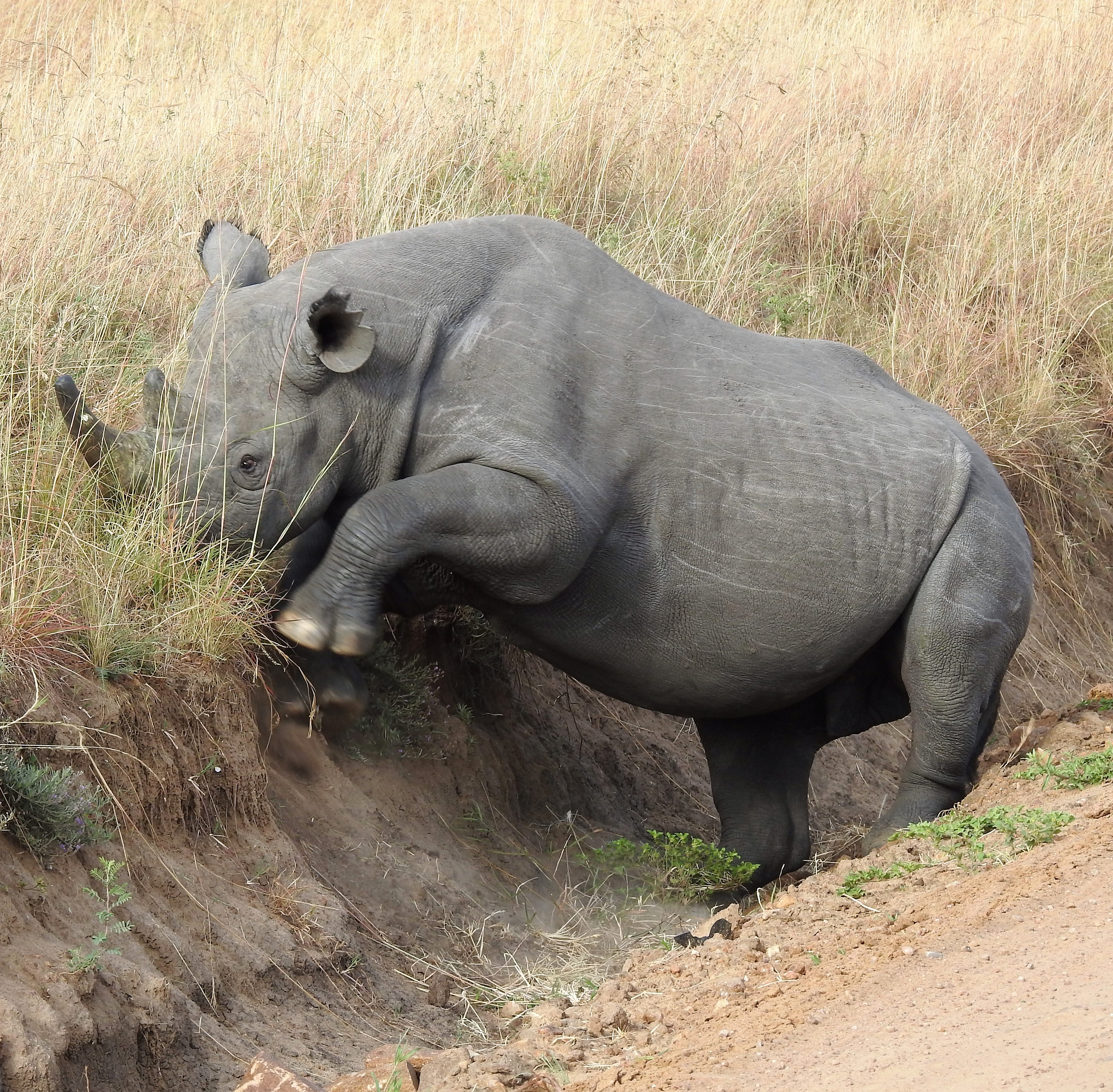
ii. Mammals Spotted – Thomson’s Gazelle, Black Rhinoceros, Impala, Plains Zebra, Wildebeest, Hippopotamus, Common Eland, African Bush Elephant, Olive Baboon, East African Defassa Waterbuck, Warthog, Coke’s Hartebeest, Masai Giraffe, East African Lion
iii. Reptiles Spotted – Agama Lizard, Nile Crocodile
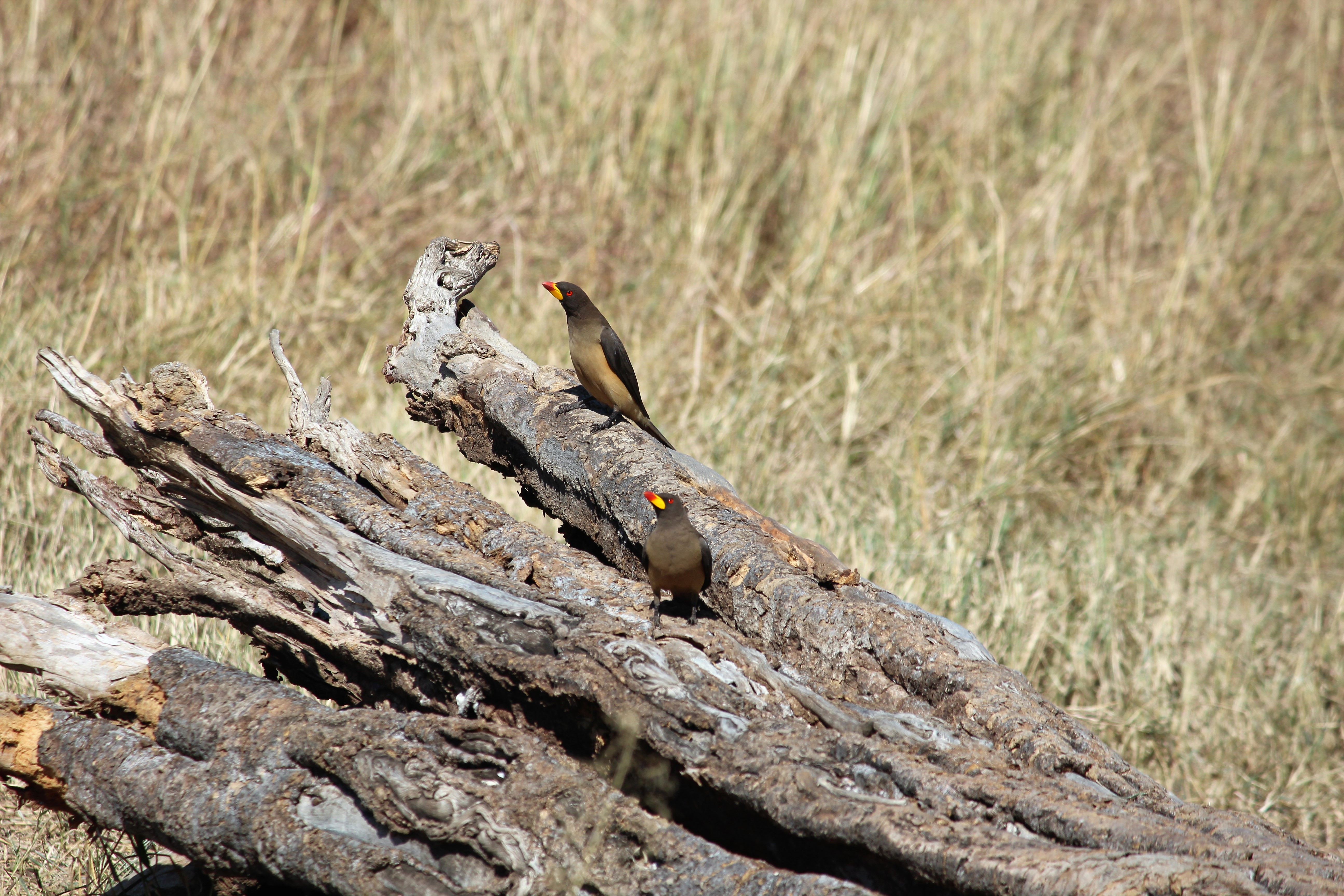
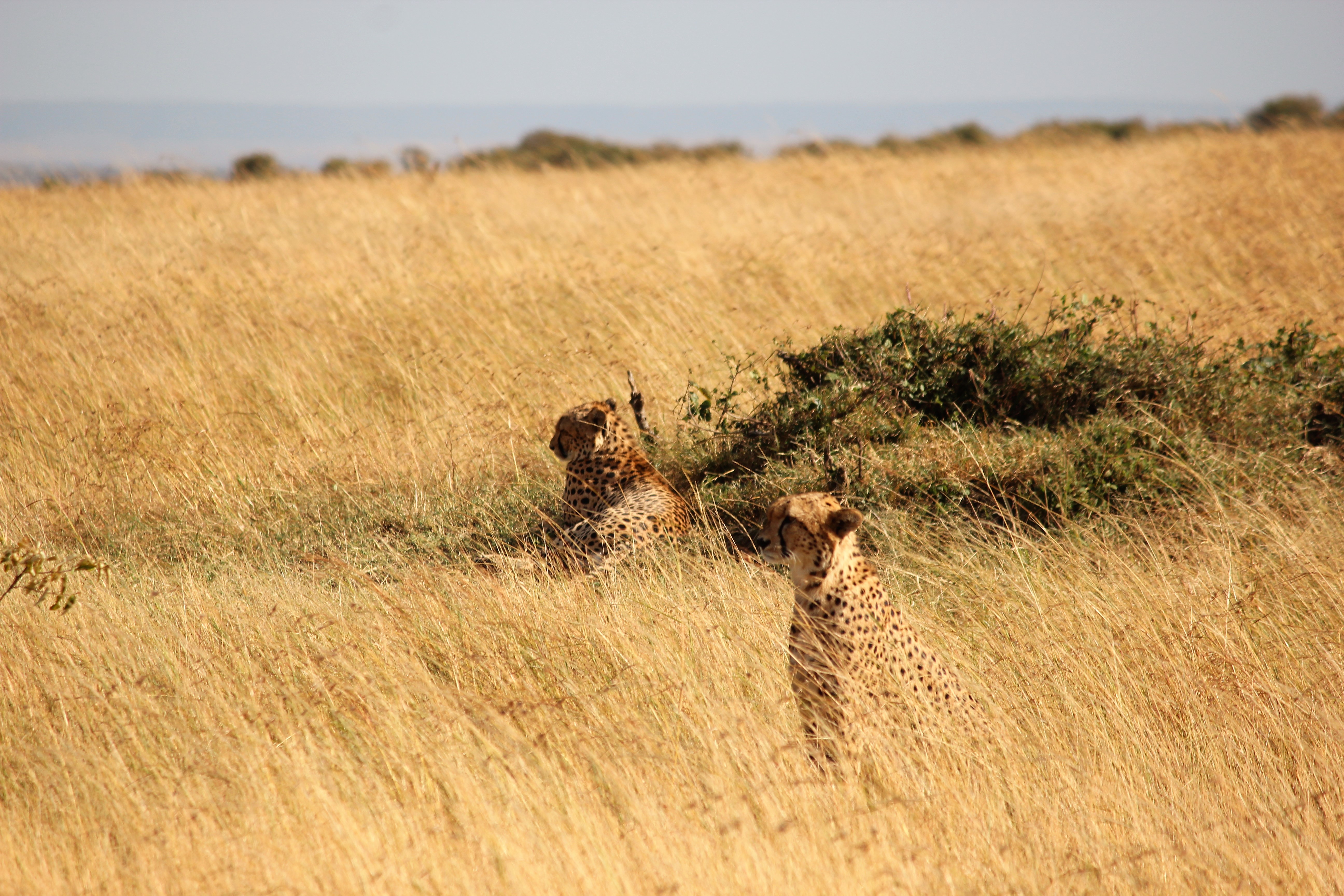
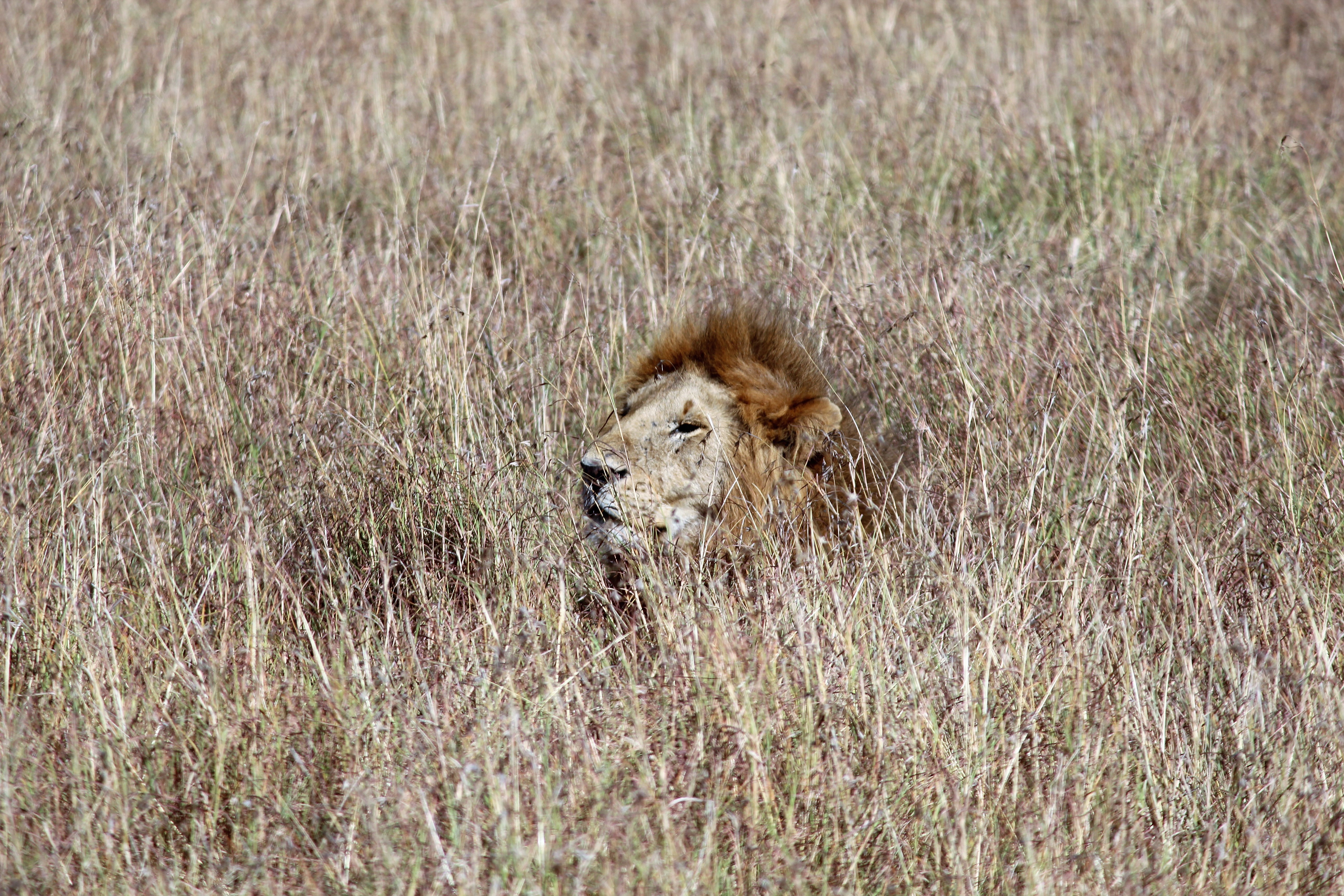
c. Sunset Game Drive – This afternoon/ early evening drive is the time when birds are returning to their nests & herbivores have stuffed themselves full! The afternoon Sun is not conducive for the Big Cats; you find them hidden under bushes (lion), hidden in the tall grass (cheetah), or plain hidden (leopard)! So, do not expect to see great action from the Big Cats now. However, the sunset hour is a good time to see raptors.
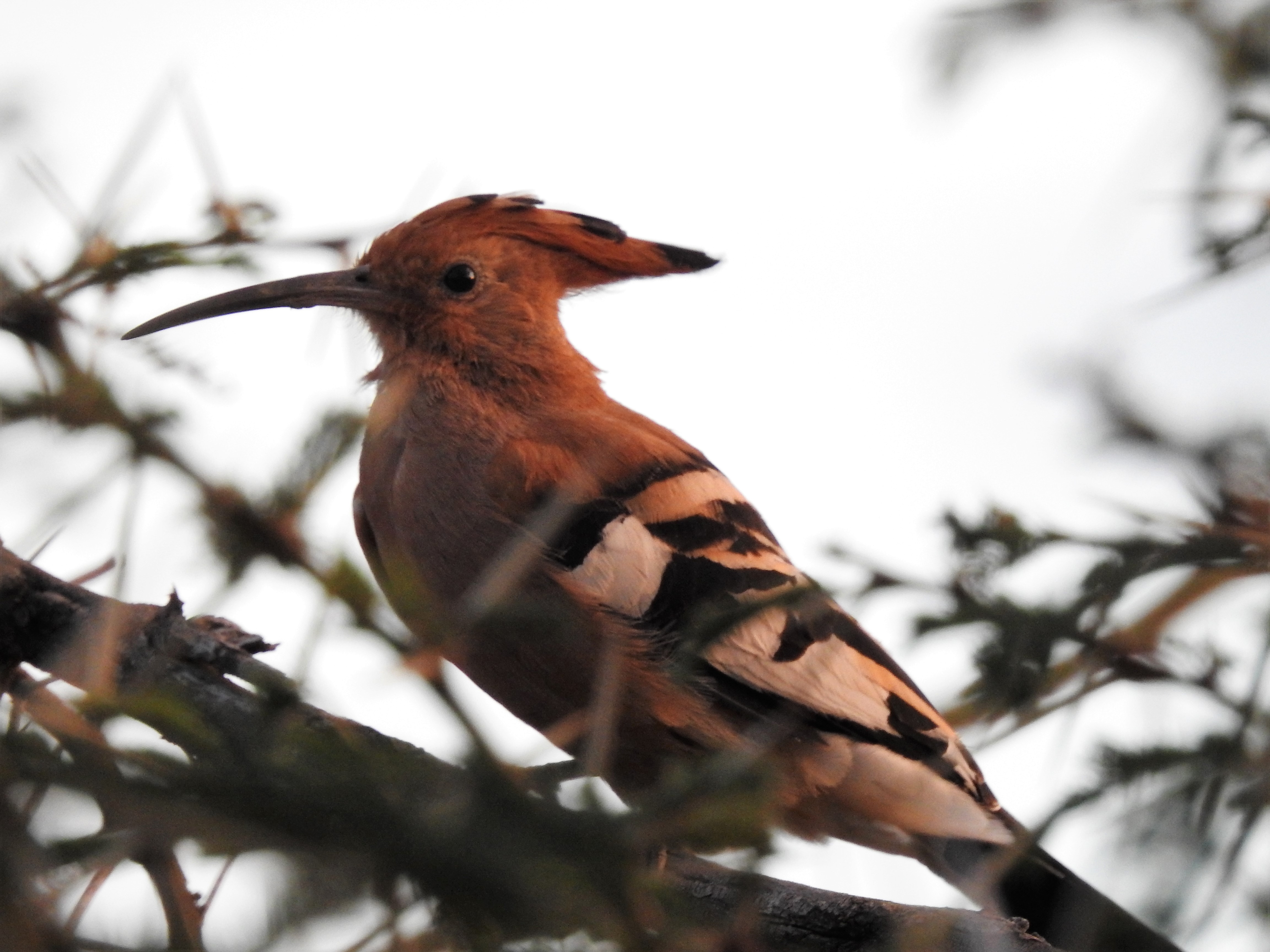
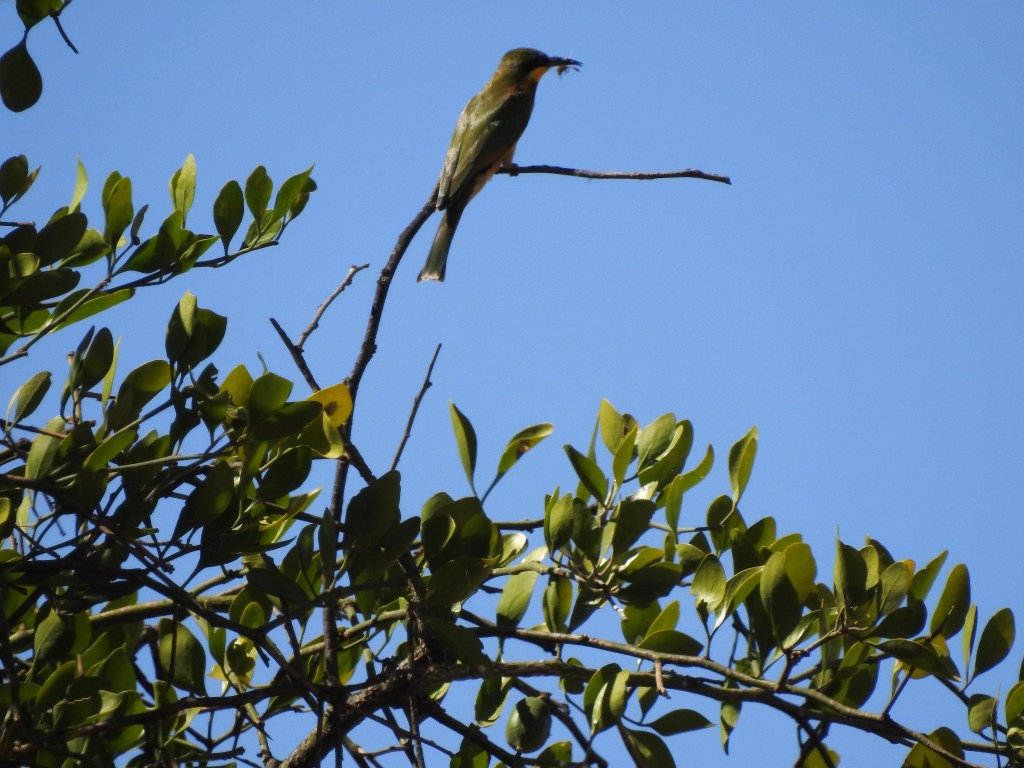
i. Birds Spotted – Lilac – Breasted Roller, Superb Starling, African Hoopoe, Tawny Eagle, Ruppell’s Vulture, Bateleur, African White-backed Vultures, Ring-Necked Dove, Anteater Chat, Yellow-Throated Longclaw, Bare-Faced Go-Away-Bird, African Wattled Lapwing, Little Bee-Eater
ii. Mammals Spotted – African Bush Elephant, Plains Zebra, Masai Giraffe, Wildebeest, Common Eland, Cape Buffalo, East African Lion
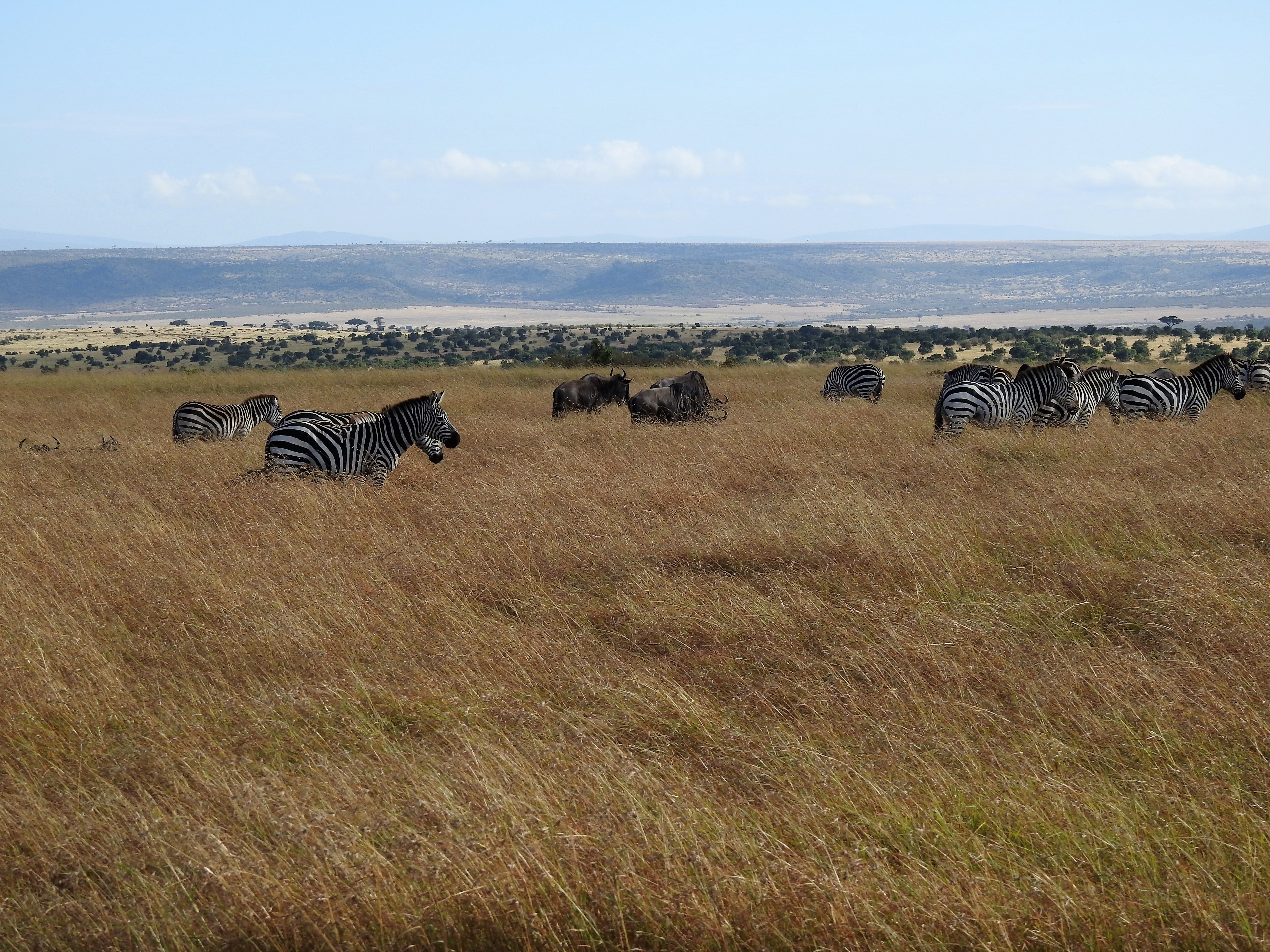
14. Road Condition – From Nairobi, if you take the road to the Masai Mara National Reserve (the alternative is an aircraft), be prepared for bad roads. When we say bad, we mean ‘India of the 80s’ bad. The last 50 kms to reach the Masai Mara are nightmarish.
Kenya is sparsely populated. So, you do not see many human beings, but certainly Chinese trucks. Thanks to the rapid construction, trucks ferrying goods can be seen. You can spot under construction highways, railway lines etc.
While we did not see any animals on our way to the Mara, but the day we left from there, in the early morning hours, we kept spotting wild animals for many kilometers, even after we had exited the reserve area.
15. Tipping – Kenyans expect a tip, & can be blunt about asking for it. Ensure you have adequate change on you.
Phew! We believe we have covered all the practical aspects that we wished we knew before going. If there is anything more you would like to know, please feel free to leave a comment; we will answer it to the best of our knowledge.

3 responses to “Masai Mara National Reserve – All The Practical Stuff!”
[…] Reserve for us! We’ve grown up watching nature & wildlife channels on television. The Masai Mara occupied the top spot on our list. We visited during the migration season. And boy oh boy, till […]
LikeLike
So much useful information in one post, great job! The pictures are also amazing this looks like a great trip.
LikeLiked by 2 people
Glad you found it useful! Thank you. It was a great trip & one that was effortless – the wildlife just sauntered in front of us! :D You must visit Kenya.
LikeLiked by 1 person