
After a long time, I am back with a Delhi – related post. The last one I wrote was on the Amrit Udyan in 2020!!! Had you read it? If not, check it out here.
Today, I write about the Sunder Nursery. I have been to the Nursery multiple times but did not get a chance to write about it till now. I’d to make amends. The Sunder Nursery, in the heart of the Indian capital, combines heritage & nature effortlessly.
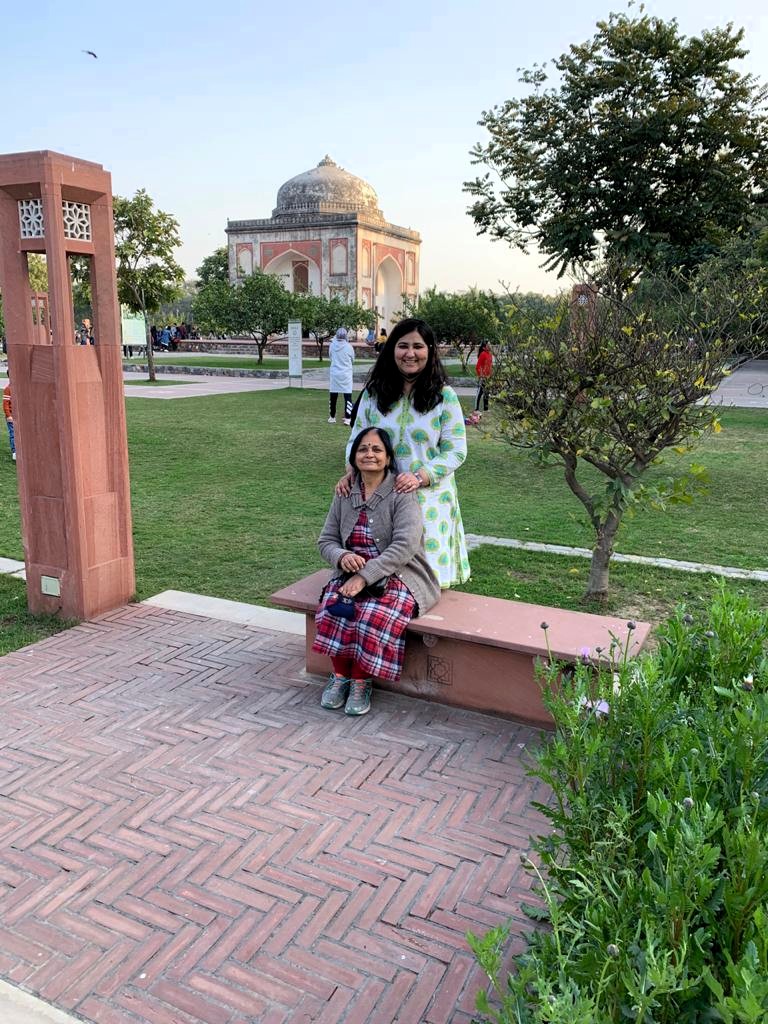
As Delhi expanded, one of its tomb complexes, Azim Bagh, was converted into a nursery. Its name was changed to Sunder Nursery, as we know it today!
Dog – Friendliness
The Sunder Nursery is dog – friendly. You MUST keep your dog on a leash. Keep it away from water bodies and the wilderness zone. Most importantly, clean up after your dog!
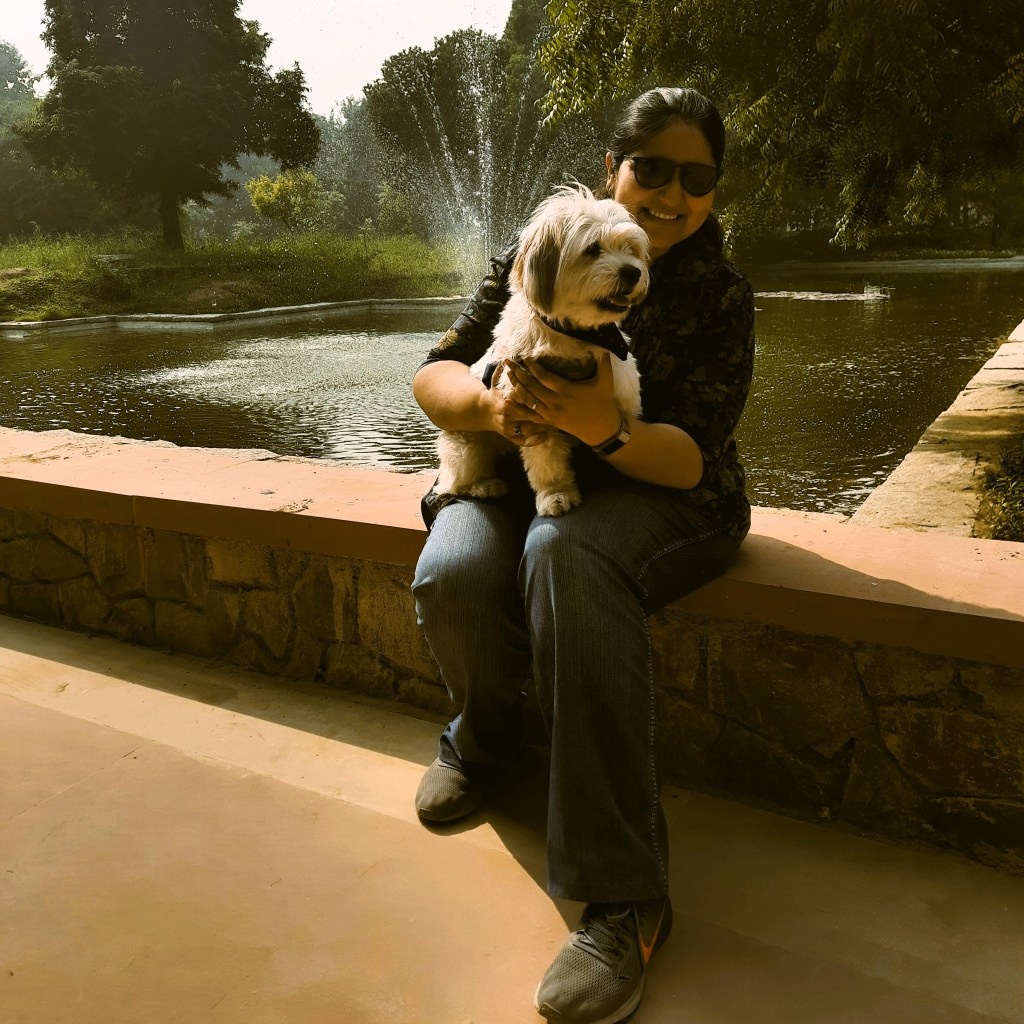
Fluffy has accompanied us on all our visits to the Sunder Nursery. Needless to say, she has had a gala time hearing new sounds and sniffing new smells!! You can see a few of her pictures throughout this blog post.
Heritage
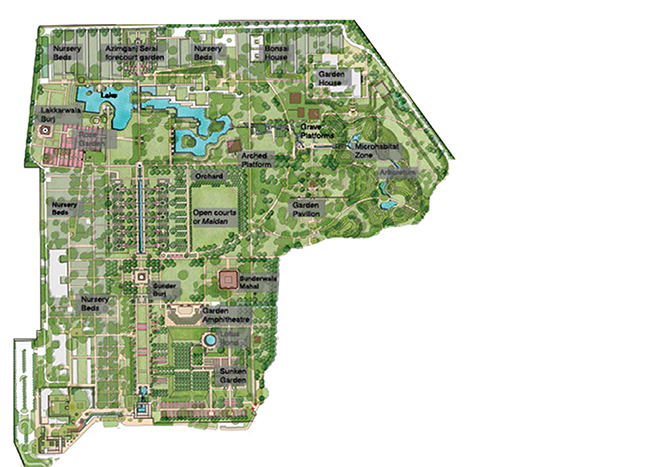
The Sunder Nursery is a complex of gardens & monuments partially protected by the Archaeological Survey of India. The structures are well – maintained. The main monuments in the complex include Chotta Bateshewala and Lakkarwala Burj.
Others are Mirza Muzaffar Hussain’s Tomb, Sunder Burj, Sunderwala Mahal, and the Unknown Mughal’s Tomb.
Trivia – The monuments were originally not a part of a complex. They represent Mughal – era structures that were developed at different times and had distinct functions.
Some were mausoleums, and others, garden pavilions.
Chota Batashewala
The Chota Batashewala is a Mughal era Islamic funerary building unlike any other in India. It was an ornamented, domed octagonal tomb. But, it collapsed in the second half of the 20th century due to leveling of land.
Lakkarwala Burj
The rubble built and externally plastered Lakkarwala Burj occupies the center of a high platform. Conservation works included repairing and rebuilding the facade.
Conservation focused on restoring plasterwork in the muqarnas and ornamentation. The project also involved re-installation of jallis, flooring, and restoring the wall.
The restoration of Lakkarwala Burj revealed the beautiful facades that lay covered under the plastered walls. It has arched openings on each of its sides and ornamented interiors with verses in plasterwork encircling the room.
Mirza Muzaffar Hussain’s Tomb
When the Batashewala Complex was under the Bharat Scouts & Guides, 150 structures were constructed here. ASI and the Aga Khan Trust for Culture (AKTC) persisted for 12 years.
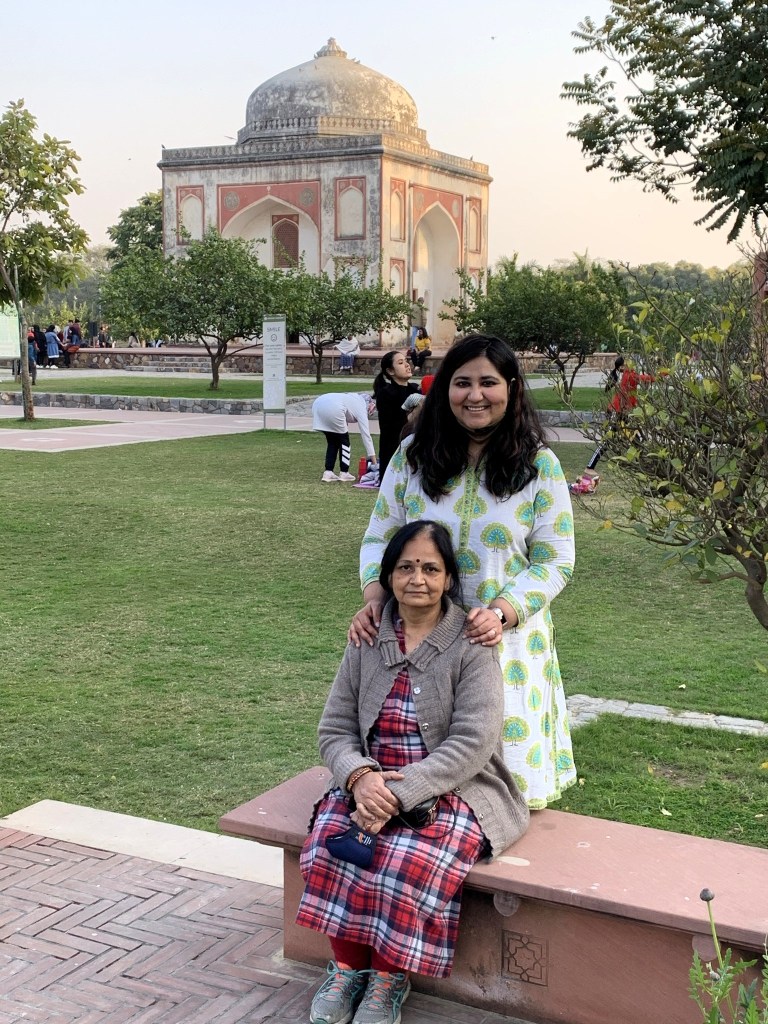
After this period, the ownership of the Batashewala Complex was restored to the ASI. Then, conservation and restoration brought Mirza Muzaffar Hussain’s Tomb to its current form.

Sunder Burj
‘Sunder Burj’ means ‘beautiful tower’. The sandstone interior walls of Sunder Burj have sections of Quranic verses. The conservation project restored the character of this monument and carried out a landscape scheme to enhance the its setting.
The Sunder Burj has a decorative star-shaped ceiling. It resembles the Lakkarwala Burj.


Sunderwala Mahal
The Sunderwala Mahal was connected to the Sunder Burj within a garden. This Mughal – era monument is significant. The Sunder Burj and the Lakkarwala Burj are also Monuments of National Importance under the ASI.
Unknown Mughal’s Tomb
No one knows who is buried in this tomb; hence the name ‘Unknown Mughal’s Tomb’. It was an enclosed garden-tomb with an ornamented interior constructed in the late 16th – early 17th century.
The Unknown Mughal’s Tomb stood at the edge of the Batashewala Complex. It was on a stone masonry plinth. This gave it a fort-like appearance.
Nature
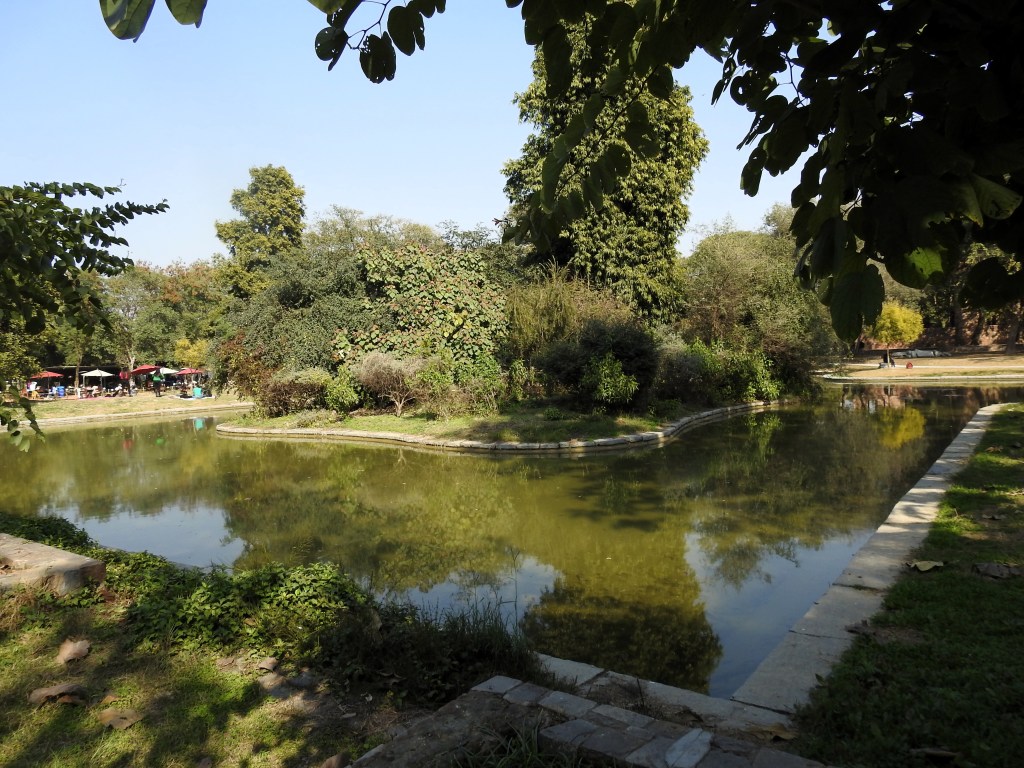

Sunder Nursery is home to many kinds of flora & fauna. We must complement the horticulture department for keeping the nursery in a pristine condition. The lush greenery makes it a magnet for walkers & exercise fans.
Walkways have been constructed all through the Sunder Nursery for those wanting to stay fit amidst nature. Whether you wish to go on a heritage walk or on a nature trail, the nursery has got you covered!
Flora
The Sunder Nursery has been developed into a world class nursery. It has an explosion of flowers. Some flowers include Sweet Alyssum, Dahlia, Marigold, Daisy, Sunflower, Verbena, Pansy, Carnation, Periwinkle, and Lily.
There are many other flowers whose names I don’t know!
Historically, the Sunder Nursery was a place for propagating trees and other plants. It was also used for testing species brought from other parts of India and from overseas.
The purpose was to pick those plant and tree species which thrived in the harsh climate.
The Sunder Nursery is Delhi’s first arboretum with approximately 300 tree species. Some of these species are the only ones in India. Others are unique to the Delhi region.
In the future, the Sunder Nursery is expected to supply a variety of plants. Activities like selling seeds, flowers, etc. generate revenue.
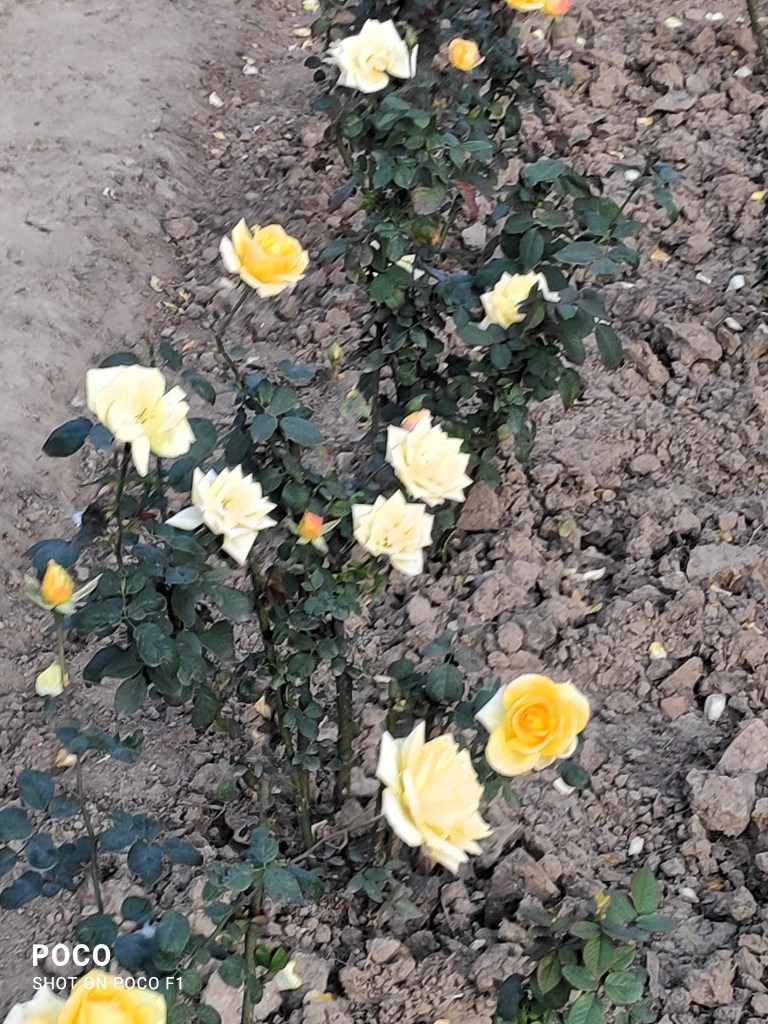
Lawns extending beyond the Lakkarwala Burj Rose Garden, to the lake, promise a serene environment.
Fauna
The Sunder Nursery works on the principle of ‘We Need Insects More Than They Need Us’. As a result, trained personnel oversee and take care of bee boxes in Sunder Nursery.
The personnel conduct workshops where participants can get an experience of handling bees. They also learn how to make heel care cream and get samples of honey and beeswax.
There is also signage explaining the importance of bees for humans, to generate awareness amongst visitors, especially children.
One can find ~40 species of butterflies too at the Sunder Nursery. During the Butterfly Month (September), visitors are given insights into their lives. These pollinators are celebrated; sessions are undertaken to educate on how everyone can contribute to their conservation.
The Sunder Nursery is also a particularly good habitat for birds. `80 species can be found here. Specific bird zones have been created; plantations that encourage birds have been undertaken.
You can spot Kites, Barbets, Lapwings, Parakeets, Babblers, Doves, Kingfishers, Mynas, Ducks, Hornbills, Sunbirds, Peafowls, Pigeons, Drongos etc. Writing this blog post has made me realize something important.
I’ve seen many birds at the Sunder Nursery, but I’ve not clicked them!!!
Other Attractions
Arc of Discovery – This arc is significant. It serves as a starting point for walks to other parts of the Sunder Nursery. These parts include the microhabitat zone. The pathway, peppered with garden benches, offers views of natural beauty and gardens.
Carnatic Cafe – The Cafe is tranquil and surrounded by greenery. Its decor is wooden with Indian motifs. It has a rich ambiance. It offers a South Indian dining experience.
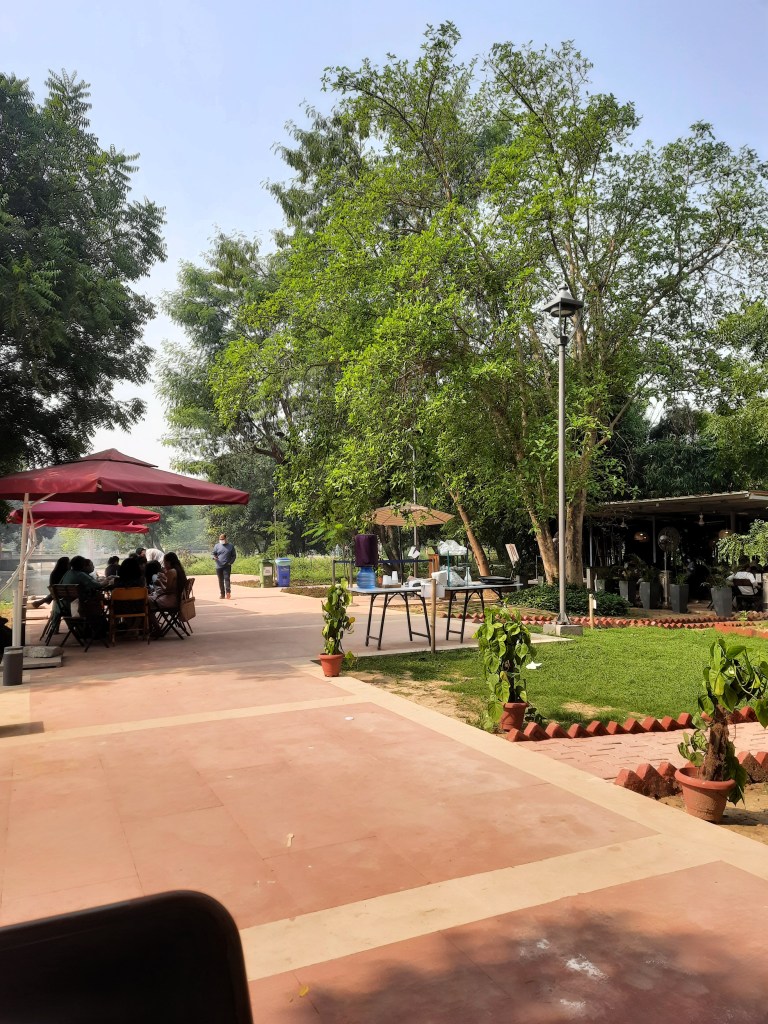

Do note that there are long waiting times over weekends.
Central Vista – The Sunder Nursery includes pathways for walkers. This ensures that most areas are accessible. As a result, visitors can make the most of the Nursery.
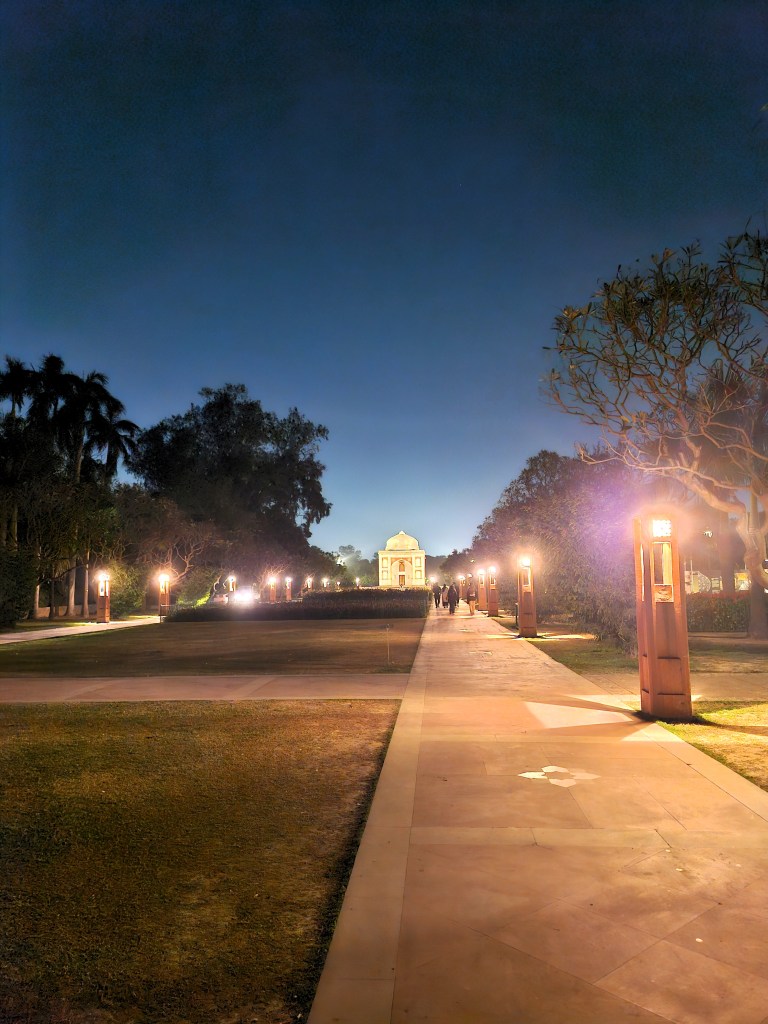
The Central Vista is made of sandstone with floral geometrical patterns. Plants and trees line this Vista. It has a 500-meter-long water canal reminding one of the Taj Mahal.
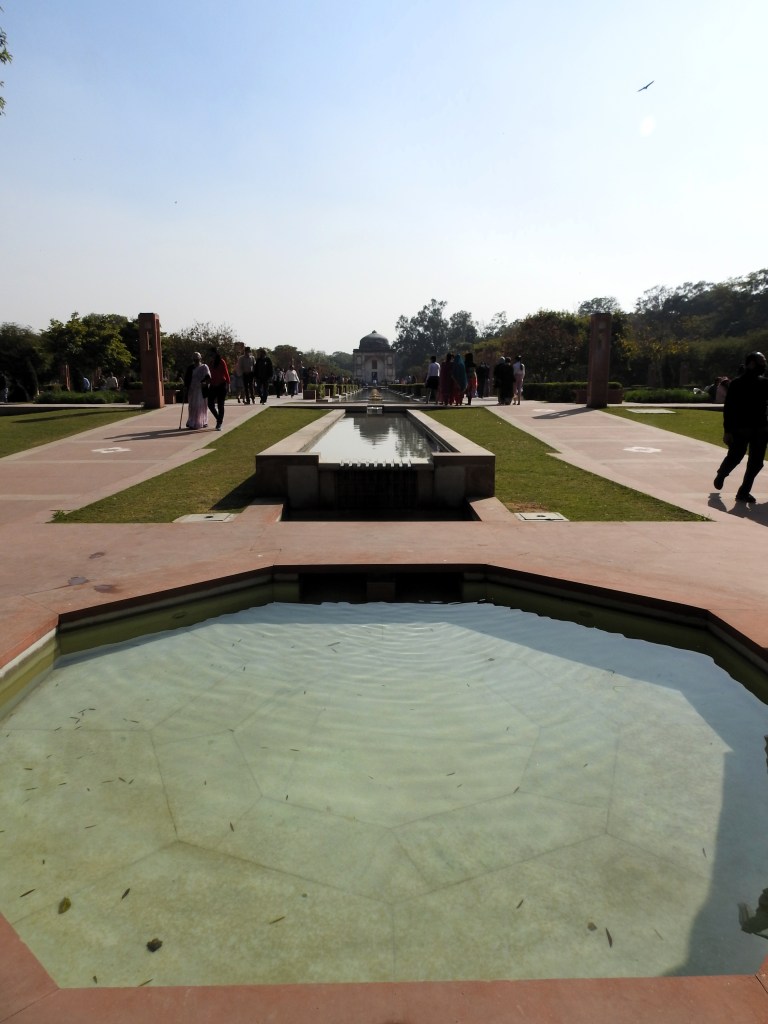
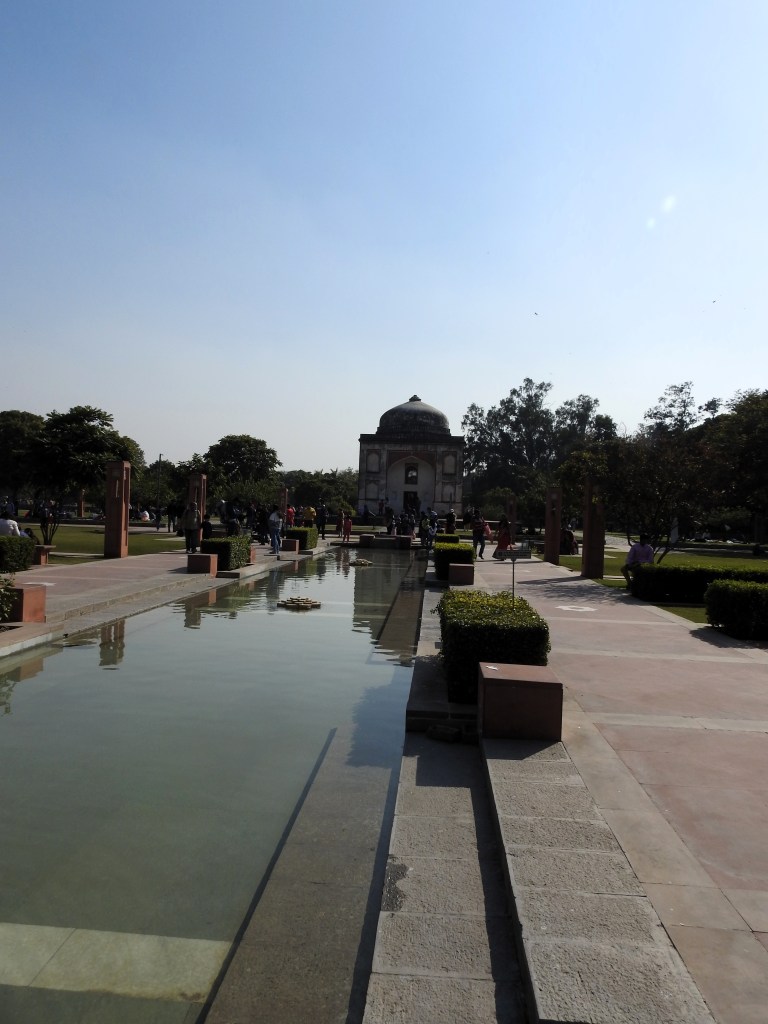
Farmer’s Market – This weekend Market has gained immense popularity in the last couple of years. The clientele is the Lutyens crowd; the goods for sale, thus, are accordingly prices.
Head here to buy organic goodies, seasonal produce, artisans’ products etc.
Food Kiosks – These kiosks sell snacks, drinks or freshly prepared food items.

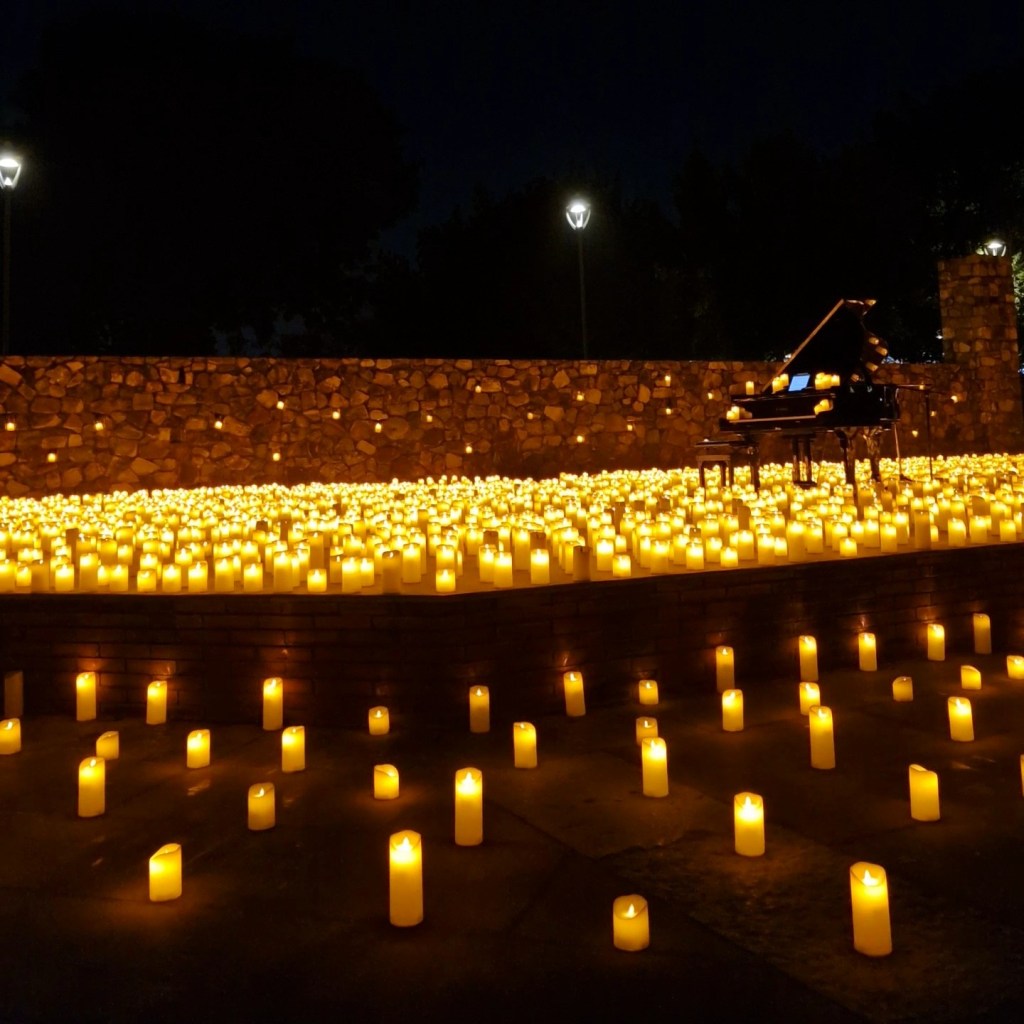
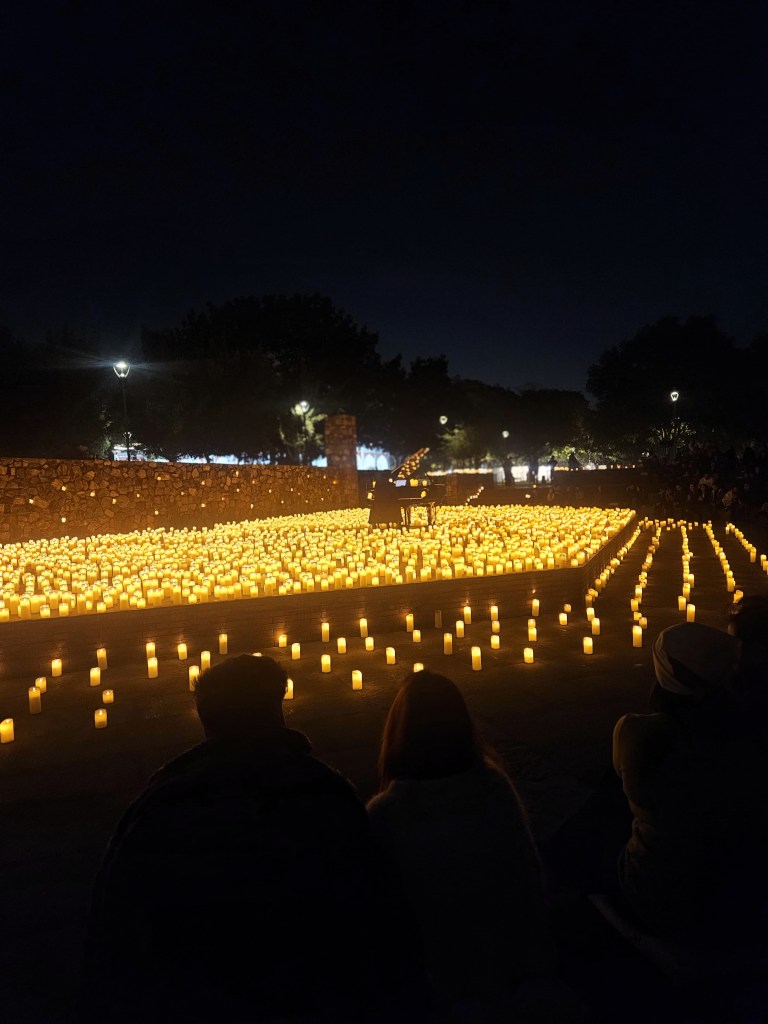
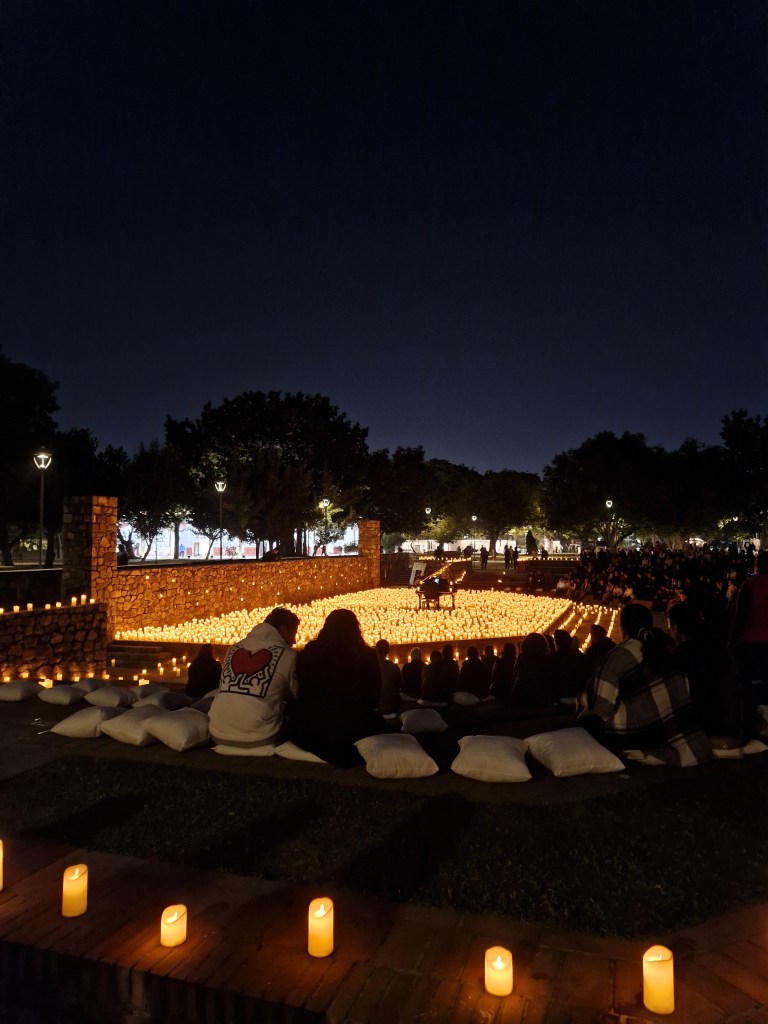
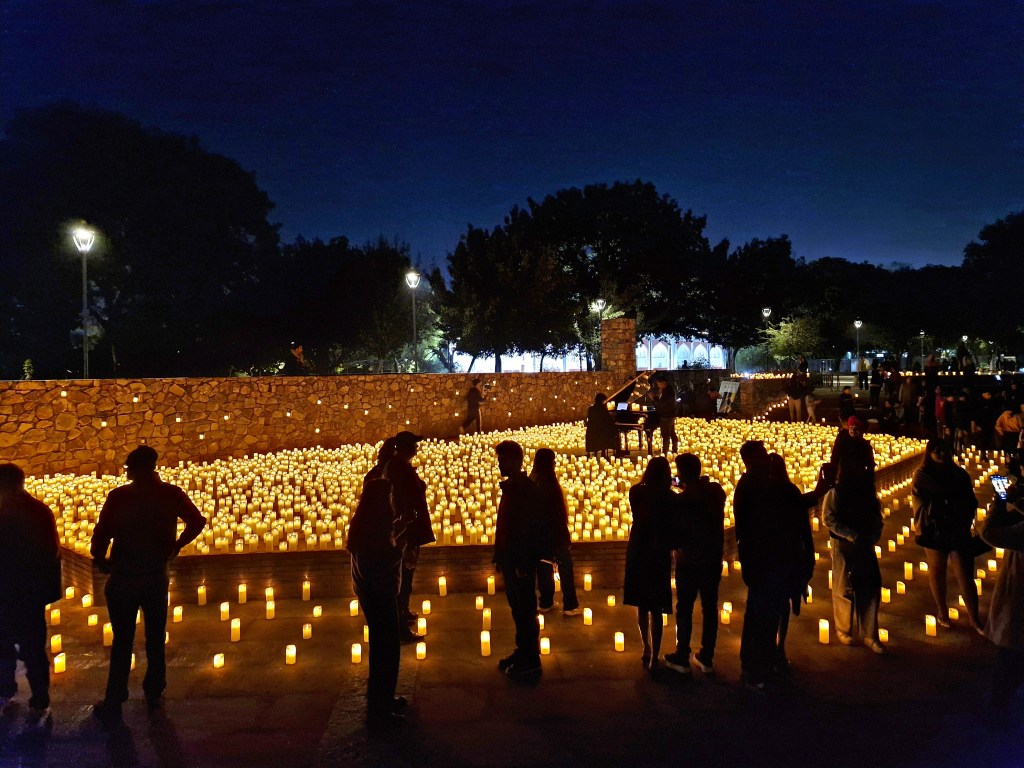
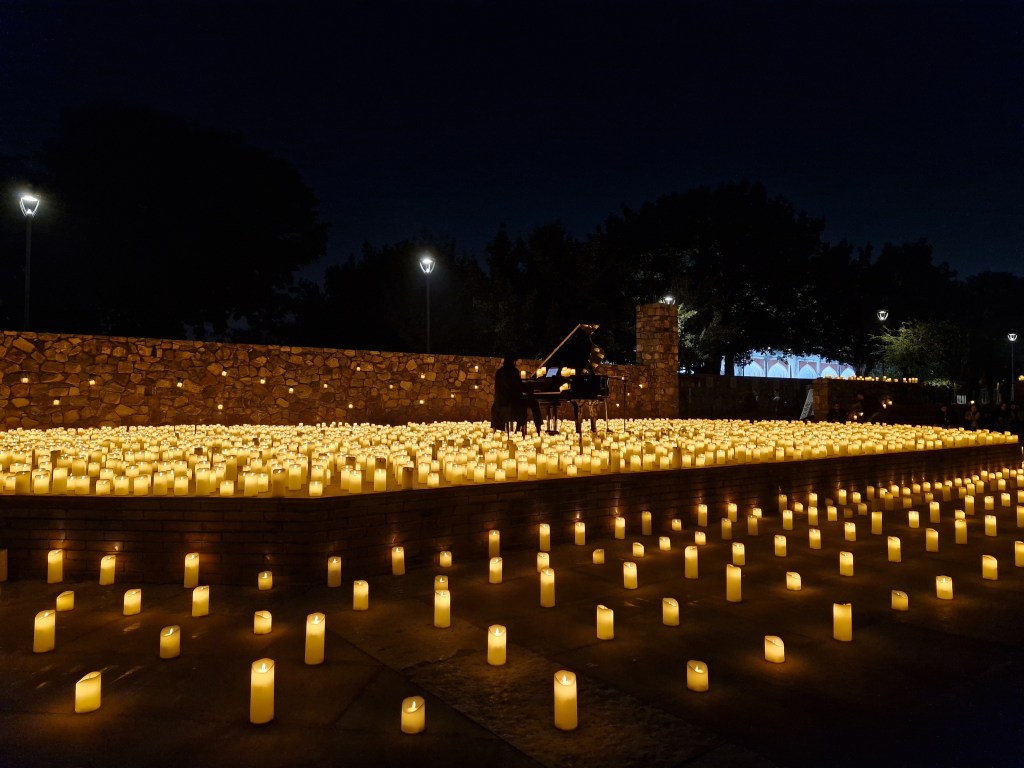
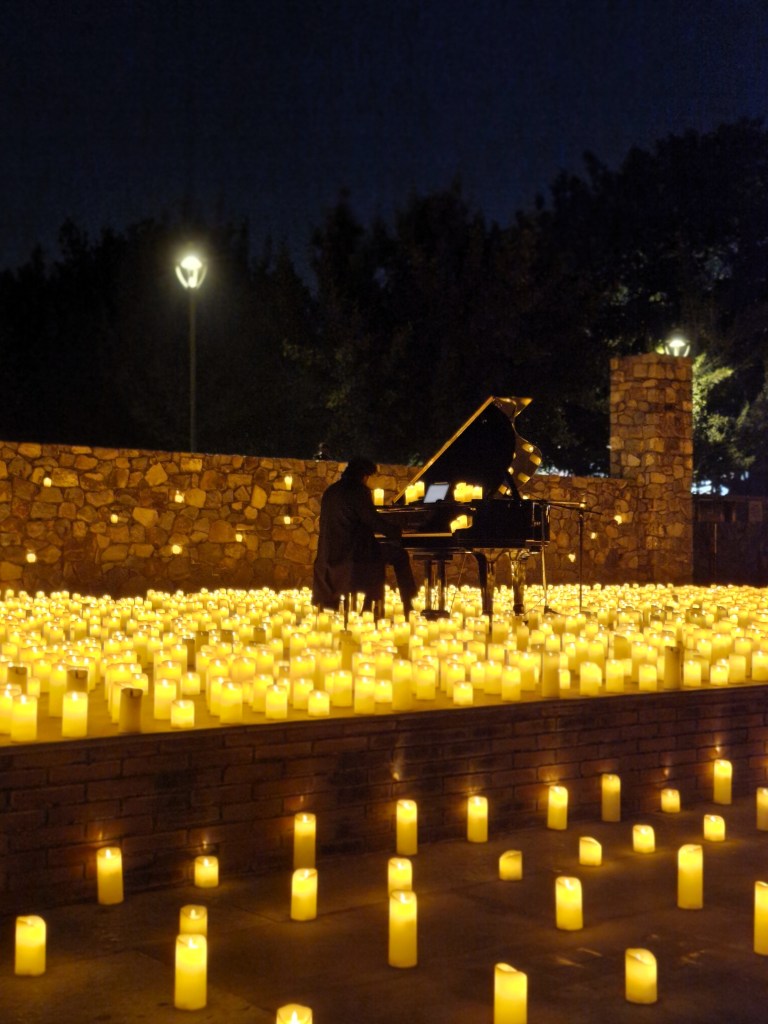
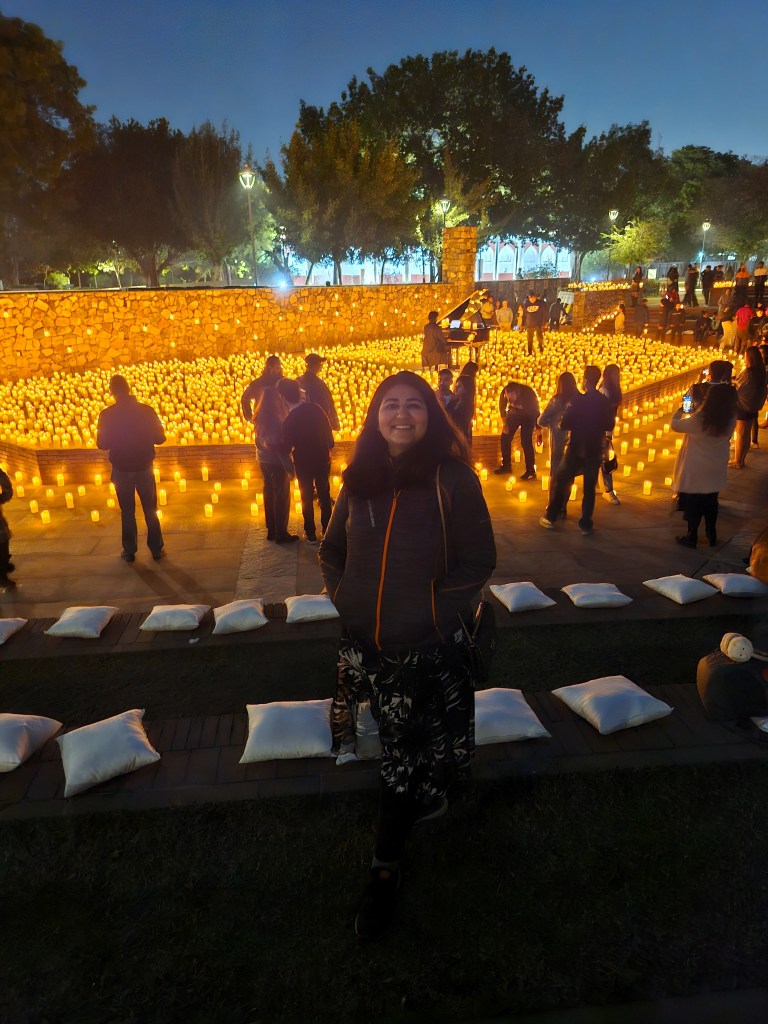

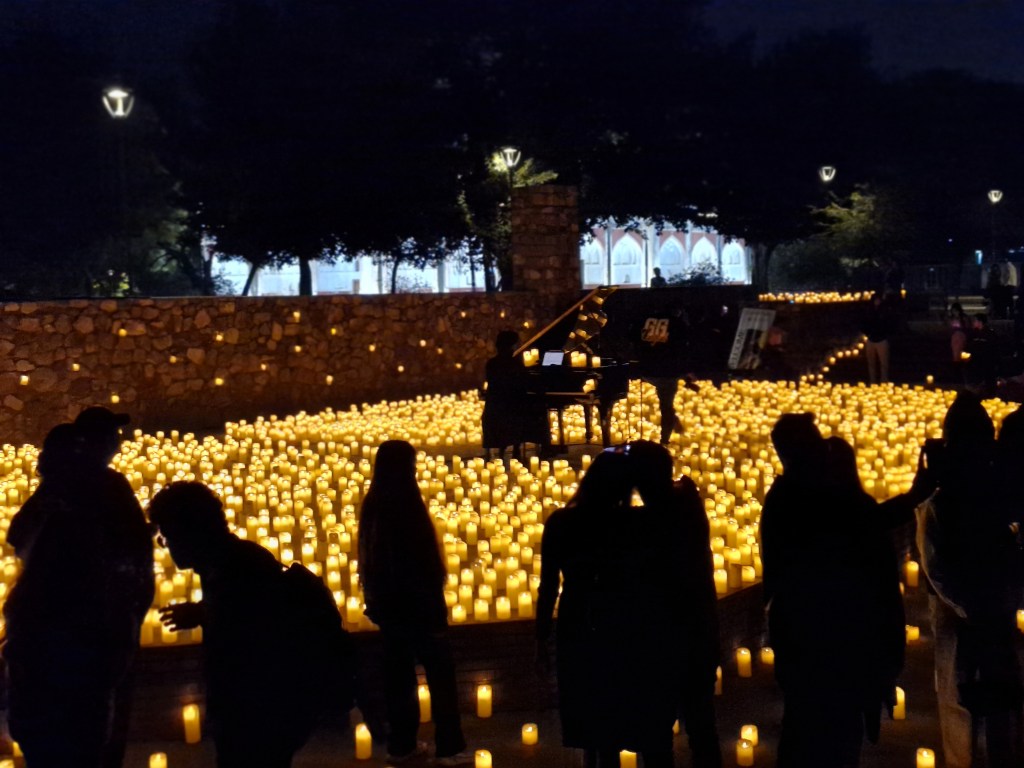
Garden Amphitheater – This amphitheater, located in the center, is ideal for events. Many art and music forms have been celebrated here, under the sky. One can reach it through flowerbeds and fields.
We got a chance to attend a Candlelight Concert (A Tribute to Coldplay) on a spring night. The experience was surreal!
Picnic – Sit on the benches or sit on the grass. Enjoy the bright sun. celebrate birthdays. Spend great family time together. Smile widely. Discover new things about yourself.

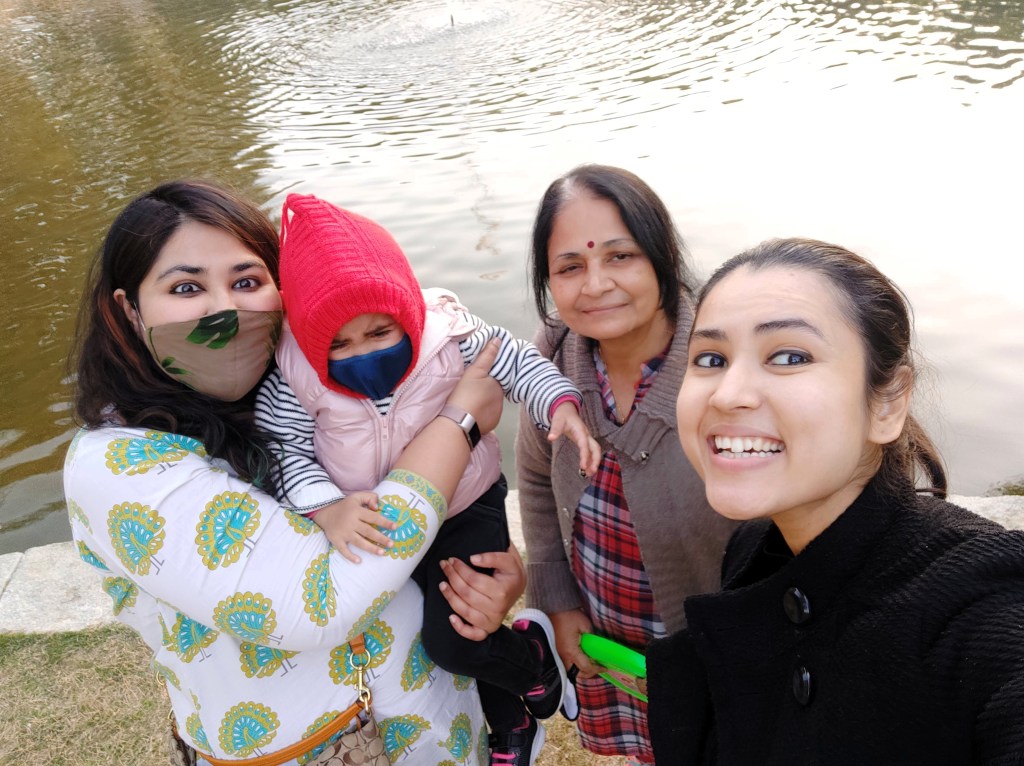
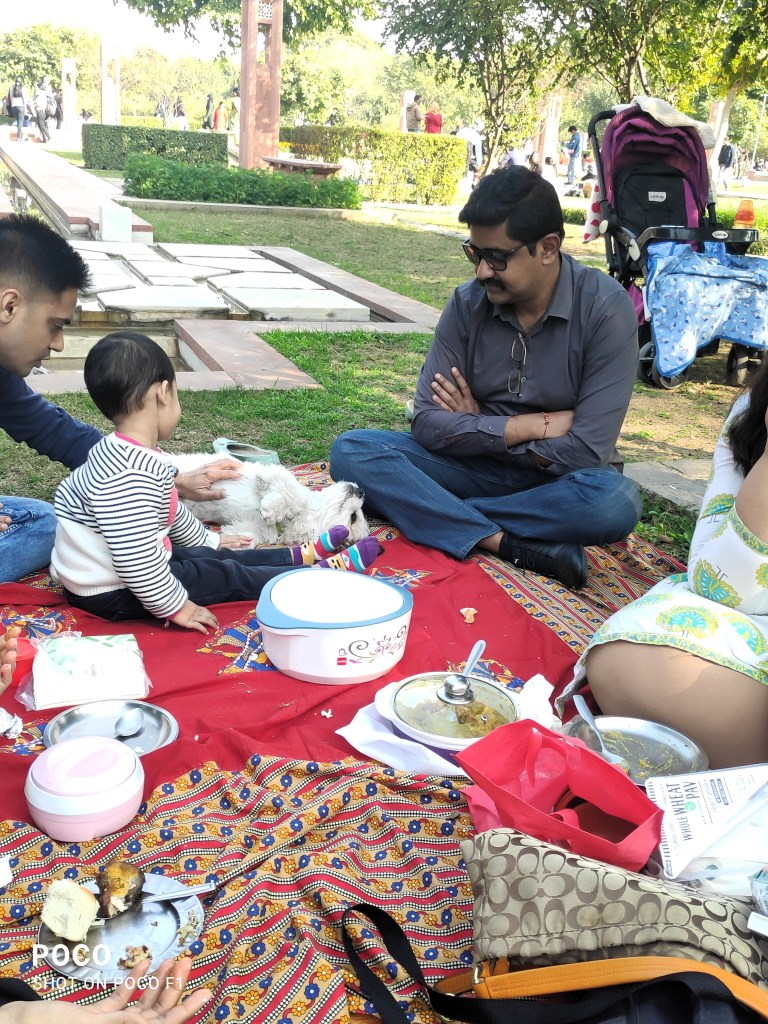
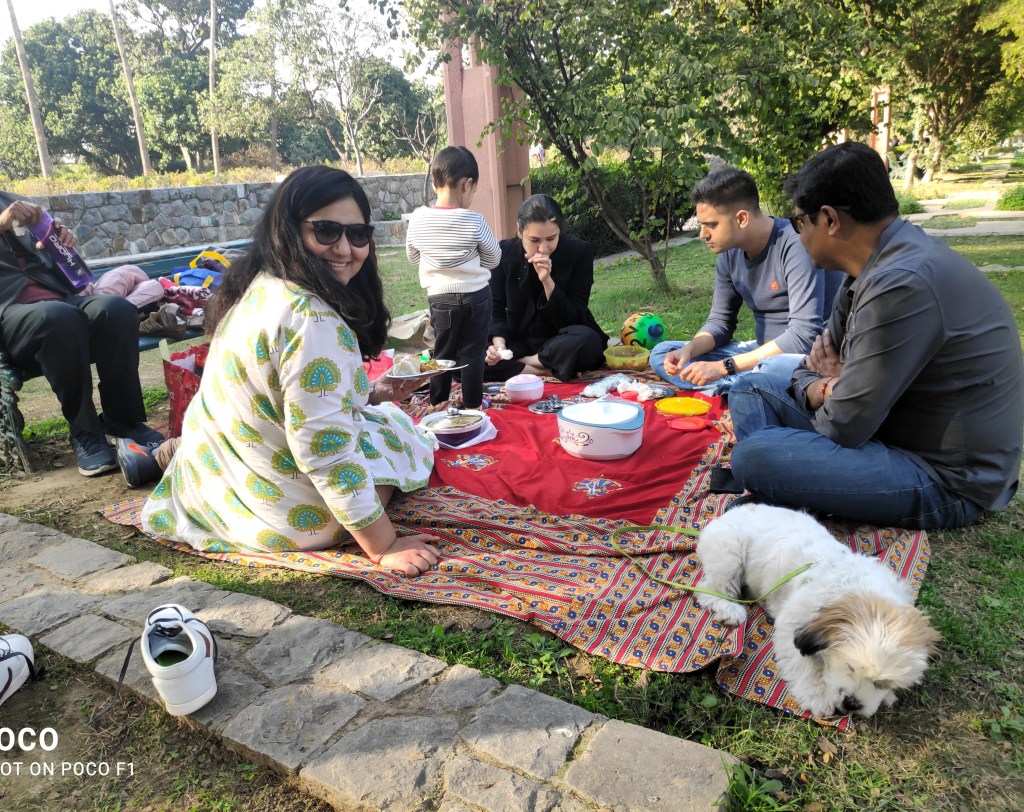
Carry refreshments for your picnic and pick up your trash.
Serenity Amphitheater – This amphitheater is located near the Children’s Playhouse. It is the perfect place to hear the melodies by birds. You can also enjoy the wilder zones of the Sunder Nursery.
The Serenity Amphitheater is designed for small events. It provides the setting to hold a workshop for up to 30 people.
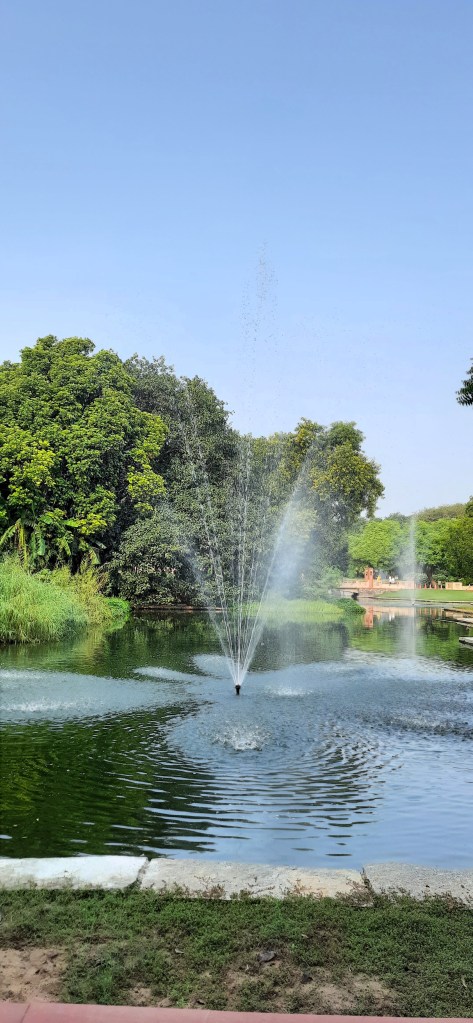
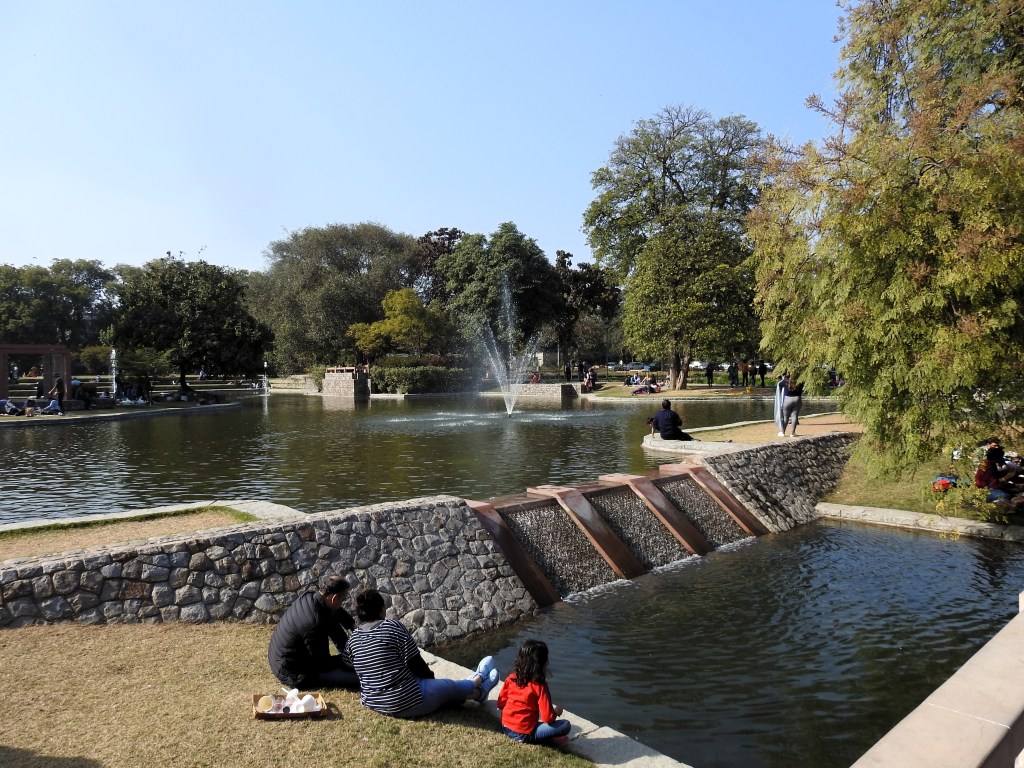
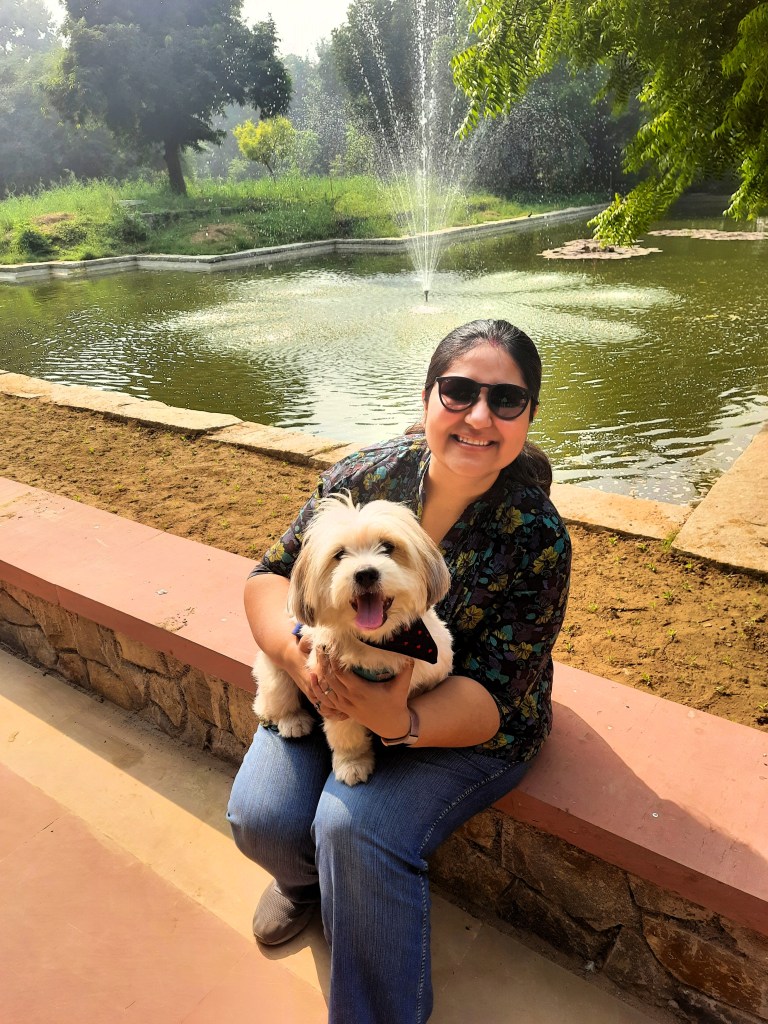
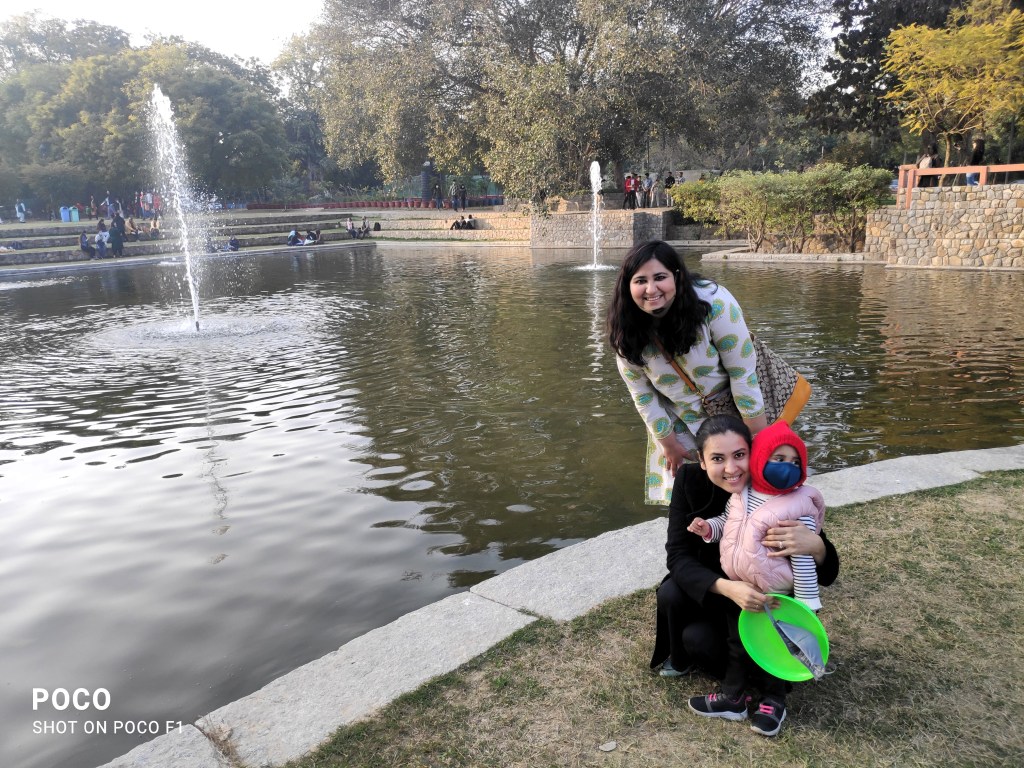
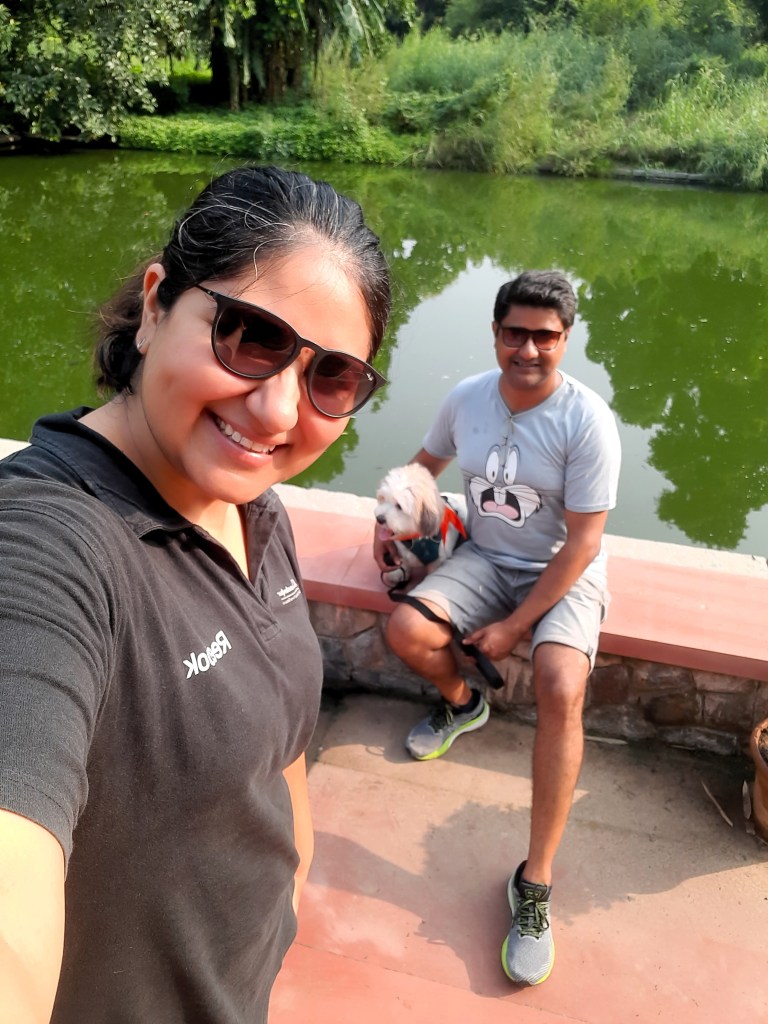
Water Features – Water features like lakes and ponds are a part of the Sunder Nursery. There are latticework pavilions on the lake edges.
Zaika e Nizamuddin (ZeN) – The Nizamuddin Urban Renewal Initiative of Aga Khan Development Network supports ZeN. It was started with mothers to tackle malnourishment amongst children in the Nizamuddin basti.
There was also a need to guarantee healthy snack habits. Food from ZeN offers a peek into the Nizamuddin culture. It provides a sense of contentment. This feeling is packed in a box of kebabs or a bowl of biryani.
The products made by this self-help group are prepared by hand, in batches under hygienic and safe conditions.
Tips For Visiting
- Sunder Nursery is in the heart of New Delhi. You can get any mode of transport to reach here. The nearest metro stations are Jangpura (Violet Line) & Hazrat Nizamuddin (Pink Line).
- The Nursery is open from 6 AM to 10 PM. It is a haven for morning walkers; so, expect crowds then.
- Entry is not free.
- Given how horrid New Delhi summer is, it is ideal to visit Sunder Nursery from November to February. Or on any of those monsoon days when the weather becomes salubrious…
- Nooks & crannies in the Nursery have lots of sitting areas.
- Do not feed the birds!
- Smoking and consuming alcohol are prohibited.
- Most importantly, KEEP THE SUNDER NURSERY CLEAN!!!
- Layout Courtesy – The Sunder Nursery Official Website