

I hope Sri Lanka Staples turned out to be helpful to you. Now that you’ve figured out where you want to visit on your Sri Lankan holiday, I help you with the sights I saw in SL & loved. The attractions below are tried & tested & advocated (& not mentioned in any order of preference)!
Places of Worship
While Sri Lanka is a predominantly Buddhist country, it has had a Hindu influence from ancient times, which reflects in the scores of temples found on the island. It also has a Christian influence, thanks to being colonised by Portugal, (then) Holland and Britain.
Sri Dalada Maligawa, Kandy
Sri Dalada Maligawa is alternatively called the Temple of the Sacred Tooth Relic. It carries worth for Buddhists across the earth. It has educational value too. I was glad to see that it is located in the heart of the heritage city of Kandy.
I walked around to visit the Lake and the National Museum. I could have walked to more attractions like the Palace and the Uddawata Kele Sanctuary if I were not pressed for time. But I had reached the Sri Dalada Maligawa just in time for the morning routines.
I took a guide who rushed me to the sanctum because the rite lasted only 15 minutes during which the Sacred Relic would be brought out for the worship. I circumambulated with other devotees and got a chance to bow my head to the Relic.
My guide informed me that the Sacred Relic was carried to Sri Lanka by the Princess and Prince of the Chola dynasty from Kalinga in India. After moving through different Sri Lankan cities, the Relic came to rest finally in Kandy, the last Kingdom.

Temples built to house and to protect the Sacred Relic were destroyed by a succession of colonial rulers. Finally the current Temple came into existence and has since remained under the chief guardians’ watch.
My guide informed me that I was lucky to have caught the morning ceremony. Ceremonials are carried out twice a day at the Temple of the Sacred Tooth Relic. If you come outside of these two times, you will be unable to see the Sacred Relic.
Sri Dalada Maligawa lasts to this day as a shrine to welcome the Buddhist world’s worship.

(Bonus – You can find Buddha’s relics in the Patna Museum; the National Museum, Delhi; the Dhamma Vinaya Monastery, Pune; the Global Vipassana Pagoda, Mumbai; and the Museum of Department of Archaeology and Ancient History of the Faculty of Arts, Vadodara.)
Do I recommend a visit? Yes!
Bahirawakanda Temple, Kandy

Legend has it that the Bahirawakanda mountain was haunted by a demon to whom girls had to be sacrificed for appeasement. Then, a suitor of one of these girls slayed the demon, bringing an end to the haunting and the sacrifices.
The Bahirawakanda Temple is accessible through a flight of stairs. It houses a Buddha statue that reaches a height of 25+ metres, making it one of the tallest statues in Sri Lanka. You can climb to the top of the statue via another flight of stairs.
Sightseers end up taking half an hour to reach the Bahirawakanda statue top as they cannot help halting to take in the view along the way. It is scenic and a magnificent sunset spot. The Sun dipping behind the Kandy hills is something you will remember for years.

After purchasing the ticket (LKR 300), I climbed up to the Bahirawakanda Temple first. After bowing my head, I roamed around the terrace, taking in the view of the Kandy city below. Towards the back was a Bodhi Tree too.
Here, the Bahirawakanda Temple caretaker recommended that I could go upstairs to the top of the statue. Thus I began the climb. On one of the landings was an anteroom with a reclining Buddha and frescoes.
From the top, it was a beautiful sight. I was standing next to the ear of the Buddha statue. Sadly, the day was cloudy; else I would have been in for a gorgeous sunset. A proper deck has been built to ensure at least 10 visitors can stand easily.
Up Above the World So High…
Like every Buddhist temple in Sri Lanka, you must dress appropriately here. Cover your arms and legs. Remove your hats and shoes. You can offer flowers to the idol if you want.
What I disliked here, though, was the caretaker’s insistence that I make a contribution of LKR 500. A donation is a voluntary act. Also, if I’ve already bought a ticket, that should suffice.
Do I recommend a visit? Yes!
St. Sebastian’s Church – Sea Street, Negombo
Buddhism governs Sri Lanka but Negombo, a suburb of Colombo, is overwhelmingly Catholic. Christians span the country’s ethnical groups. Even in the Civil War, both the sides incorporated Christian believers.
In fact, Negombo is called ‘Little Rome’ due to its several churches and Portuguese – Dutch influence. It thus was a shock when Christian places of worship were targeted in the Easter Bomb Blast. One of the blast sites was the St. Sebastian’s Church.
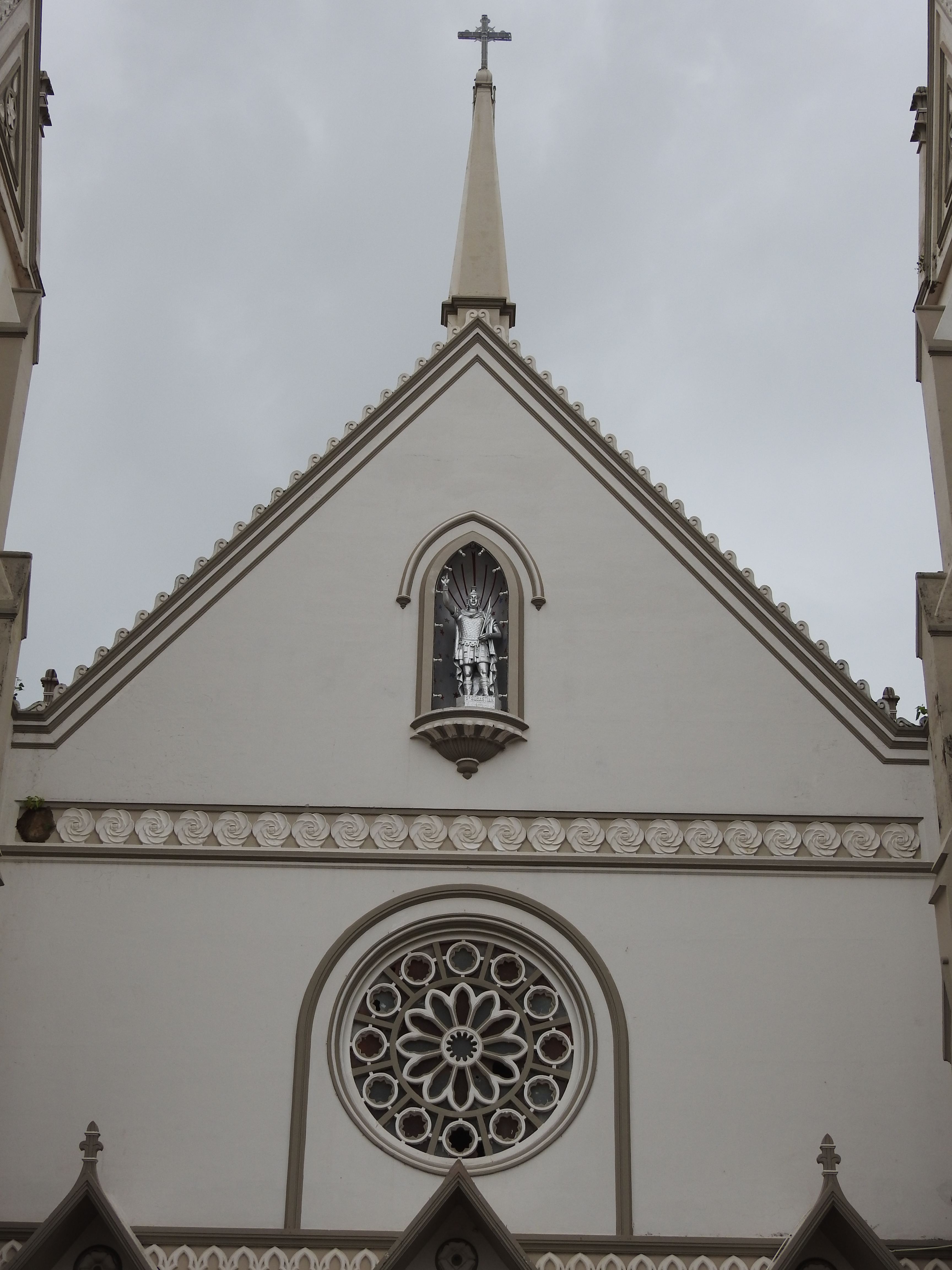

The moment you mention the St. Sebastian’s Church, the first reaction is about the bomb blast. But let’s put that behind us. When I saw its terracotta rooftop, I could not help admiring its beauty. It was outlined by palm trees.
The architecture of the St. Sebastian’s Church reminded me of images of medieval churches I had seen.
Do I recommend a visit? Yes, if you are religious or if you are interested in architecture!
Saint Mary’s Church, Negombo
In the soul of Negombo, on the Grand Street, is located an edifice called the St. Mary’s Church. It is a Roman Catholic Church. It is a thrilling building with grey – peach walls and black – white marble elements.
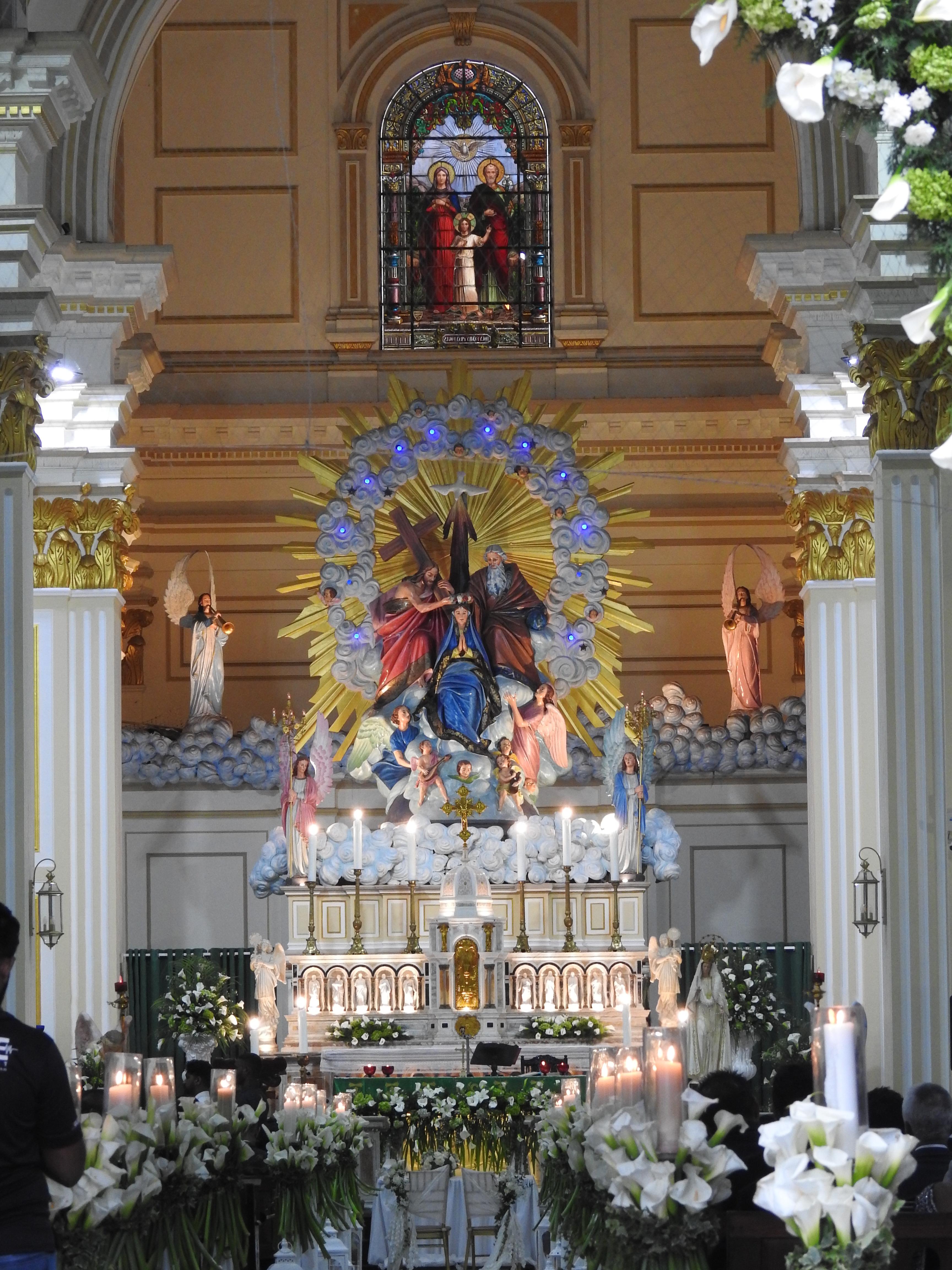
The St. Mary’s Church rises up above other constructions. When I visited, a wedding mass was in progress; so I did not go inside. But, standing at the door, listening to the wedding carols, I took in the beautiful interiors.
Wedding Bells
The insides of the St. Mary’s Church have statuettes and paintings. An altar has been introduced from Europe. History records the establishment of Catholicism with the Portuguese rule, the decline with the Dutch rule and the restoration with the British rule.
Photography is prohibited inside the St. Mary’s Church. (But I couldn’t help myself & used the camera zoom to sneakily click a pic from outside.)
Do I recommend a visit? Yes, if you are religious or if you are interested in architecture!
Basilica of Our Lady of Lanka, Ragama
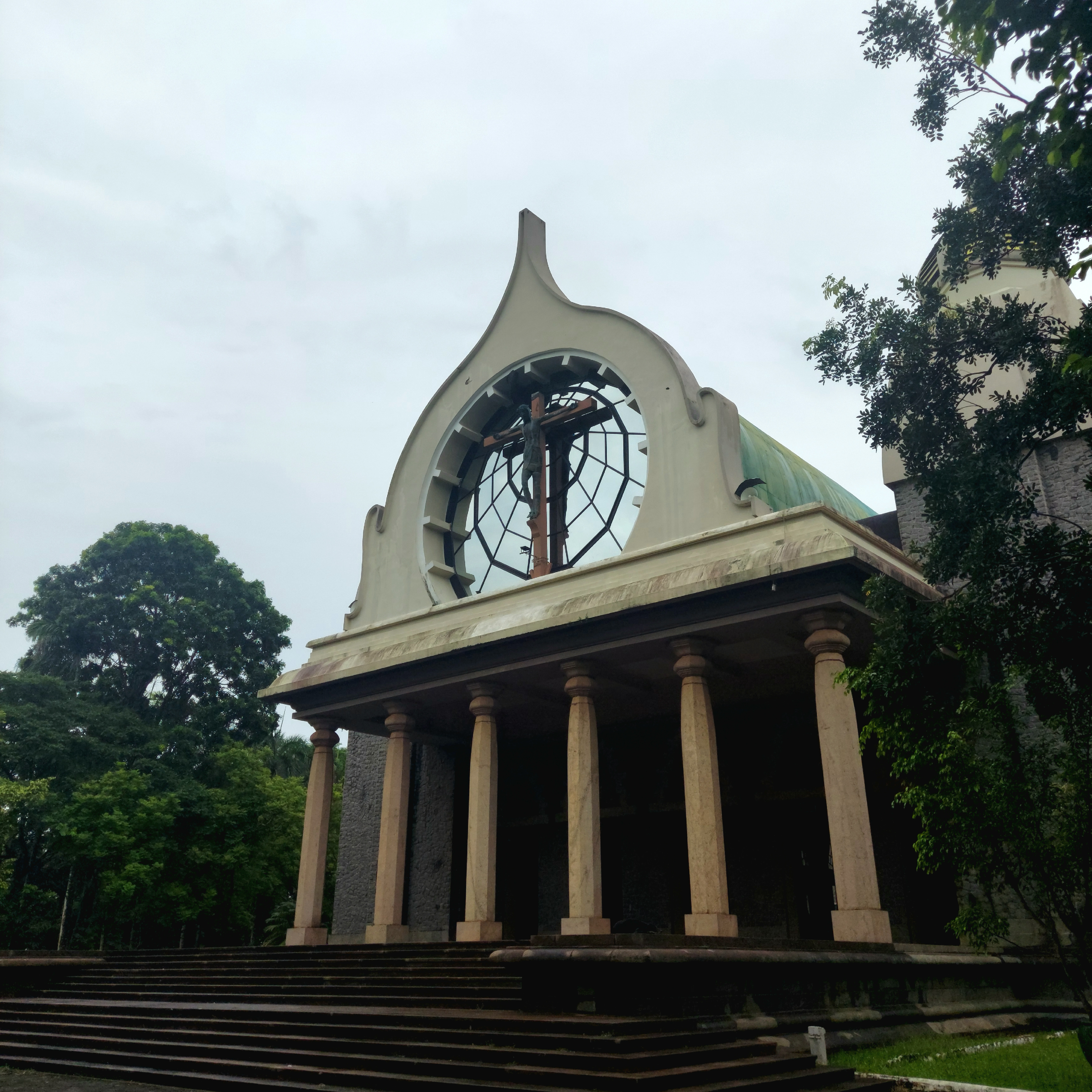
Seeing my interest in Negombo churches, Dilan volunteered to show me the Basilica of Our Lady of Lanka in Ragama, on the outskirts of Colombo. It is a Roman Catholic basilica. Set in a dense forest, a dome sparkled turquoise underneath the morning Sun.
A sense covered me while heading for the Basilica. A divine sense influenced me. Above the shrine was the Our Lady of Lanka statue. As per history, in 1942, the Archbishop knelt at the Grotto at the Our Lady of Lourdes chapel and entreated Mother Mary to protect Sri Lanka from the World War II risks.
At the WWII end, Sri Lanka remained unharmed. The Feast of Our Lady of Lanka is held on 4 February, coinciding with the Independence Day. We then walked to the Our Lady of Lourdes chapel. It is a replica of the chapel of the same name in France.
The Lourdes chapel included an arena for meetings, confessionals, and a surrounding stream to symbolise cleansing. The landscaping is such that devotees are attentive to their prayers. The entire Basilica premises echoed a hush.
Do I recommend a visit? Yes, if you are religious or if you are interested in architecture!
Kelaniya Raja Maha Vihara, Colombo

The Kelaniya Raja Maha Vihara is built to commemorate the spot of Buddha’s third and last visit to Sri Lanka. Two monarchs were warring over a jewel-encrusted throne. When Buddha visited, he quelled the war and preached from the same throne.
From where I got off my cab, I climbed a flight of stairs to come to the lower terrace. This was where the office and shoe deposit rooms were located. I climbed another short series of steps to come to the upper terrace with the main temple right in front of me, a stupa on my right and a Bodhi tree on my left.

The Kelaniya Raja Maha Vihara had been constructed in an era preceding the recorded past of Sri Lanka. It was wrecked repeatedly by Indian raiders but renovated every time. In its current form, it was finished in 1946.
I found the main temple of the Kelaniya Raja Maha Vihara to be impressive. It is constructed in the Kandyan architectural technique with an octagonal drawing. Inside, it has a couple of seated Buddha idols and a large one of a reclining Buddha.
As I stood in front of the reclining Buddha, a gentleman offered me flowers to offer to the idol asking me with a smile, “Indian?”. The main temple of the Kelaniya Raja Maha Vihara also has paintings from 18th and early 20th centuries.
Rained – in in the Calm Environs of the Kelaniya Raja Maha Vihara
The wall paintings illustrate the Jataka tales, stimulating compassion. There are also frescos of the arrival of a Buddhist nun; a gathering of monks printing a Buddhist doctrine; and the coming of the Prince and Princess from India with the Sacred Tooth Relic, amongst others.

Stepping out, I walked to the stupa and further to a guardian statue. Then I turned back and walked to the Bodhi Tree. I watched devotees offer lotus flowers and bowls of what I thought was water to the Bo Tree.
The Kelaniya Raja Maha Vihara is quite large, and I would have loved to see more of it had it not been for the rain. This was the only place where the Sri Lankan monsoon left me stranded for a few minutes. This was also the only place where, when I donated, a prayer was said for my family & my wellbeing.
Do I recommend a visit? Yes!
Gangaramaya Temple, Colombo
The Gangaramaya Temple was established 100+ years back on a piece of muddy land. It began as a hermitage. Today, it is a Buddhist Temple and Museum. As I entered, I turned right towards the ticket office (entry is not free for foreigners but Indians get a subsidized rate) where I could also deposit my shoes.
The Brilliant Sanctum Santorum
I first visited the Museum. It has to be the largest collection of Buddha statues under one roof in the world. from wood to metal to precious gems, from microscopic to large, you can see Buddha statues here of all types.
The Museum also housed other artefacts like old coins, vintage cars etc. and, for some reason, a taxidermized crocodile! While the artefacts are worth gaping at, there is a lack of information, making it a guesswork for sightseers.

I then moved to the courtyard which has a white pagoda in it. On the other side of the pagoda is another Museum building in the Chinese style followed by a Bodhi tree. I then walked over to the Gangaramaya Temple.
At the Gangaramaya Temple entrance, I was pleasantly surprised to find a Lord Ganesha statue. Then, two golden Buddha statues stood like watches at the door as if to lead the throngs to the primary sanctuary.
The Gangaramaya Temple entrance is decorated in wood engravings of elephants and swans. The main idol of Buddha is large and golden flanked on both sides by colourful sculptures of angels and devotees offering worship.
Wear conservative outfits covering your shoulders and the legs below the knee when entering the Gangaramaya Temple.
Do I recommend a visit? Umm, not really!
Heritage
Sri Lanka is a treasure trove for those inclined towards culture, heritage & history.
Queens’ Bath, Kandy
When I ended my Sri Dalada Maligawa tour, my guide pointed out the Kandy Lake promenade and the Queens’ Bath to me for my further exploration. I walked to the Bath first. On the ground floor of this two – storeyed structure was a large bath (hammam) which was used as the bathing place of the royal family.
Of course, it is not in use anymore and has dirty green water with bats flying around. But its setting is such that you cannot quite dismiss it. All its windows give a glimpse of the Kandy Lake outside and the mountains beyond.
The serene Kandy Lake outside…
During their colonial rule, the British converted the Queens’ Bath into a library. After independence, it served as the office for many Sri Lankan government departments before finally becoming an office for the Department of Archaeology.
The Archaeology Department promptly conserved and restored the Queens’ Bath to its present form. I visited the office and sat through a short documentary about the restoration. There is also an archaeology library and bookstall for interested readers.
Kandy National Museum
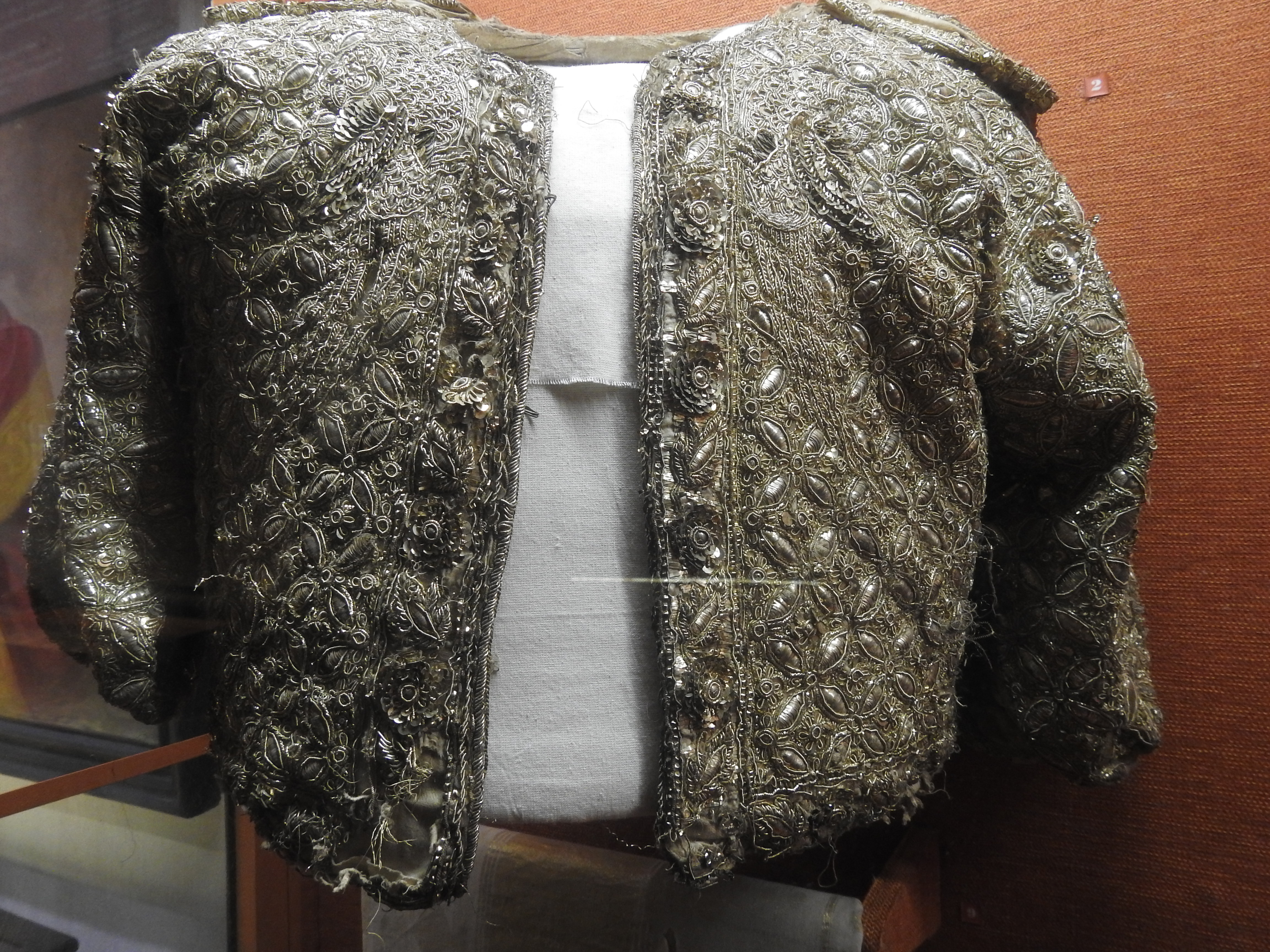
The Kandy National Museum was not on my list but when I asked around for the War Cemetery, I was told that it did prohibited visitors now and I could, instead, visit the museum. So there I was! I bought a ticket to visit and stepped inside.
The Kandy National Museum is a treasure trove. It presents a glimpse into the past grandness. The construction itself is a piece of the past. It was a part of the Royal Palace complex. This adds to its atmosphere.
The Kandy National Museum is under the management of the Department of National Museums. It has observed expansions to its collected works overtime. I could see how it prominently displayed stories unique to this area.
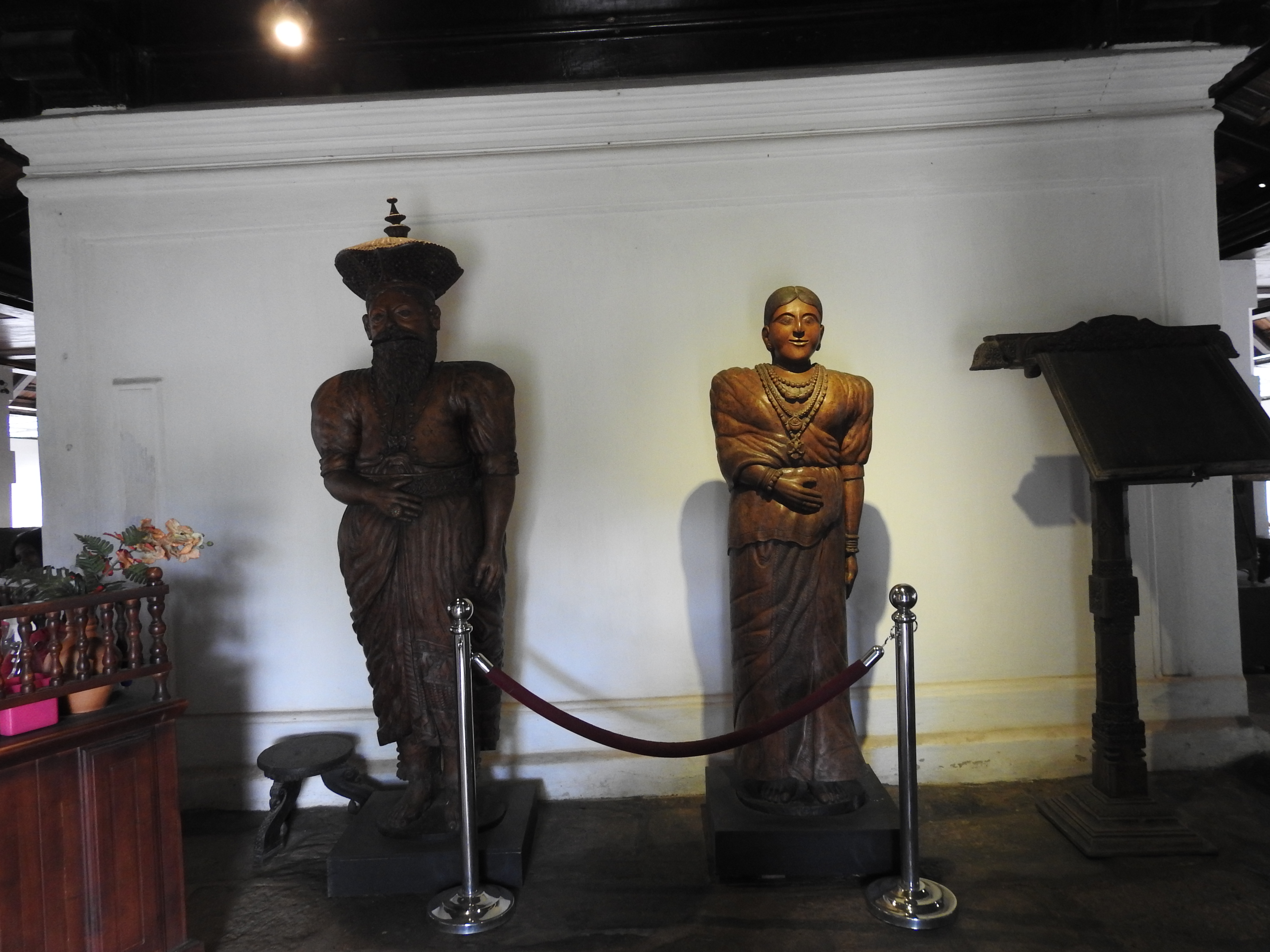
The Kandy National Museum is a knowledge store. It is a conduit through which the prior triumphs and the colonialist rule eras are communicated to groups. I embarked on a travel through the Kandyan history archives.
Moreover, the Kandy National Museum houses a scripts array with various written on palm leaves. This describes the literary backgrounds. Also, it organizes specific programs, presenting an experience that might add in tours.
The Kandy National Museum will benefit from getting some cooling/ ventilation installed. All through my visit, I was sweating buckets!
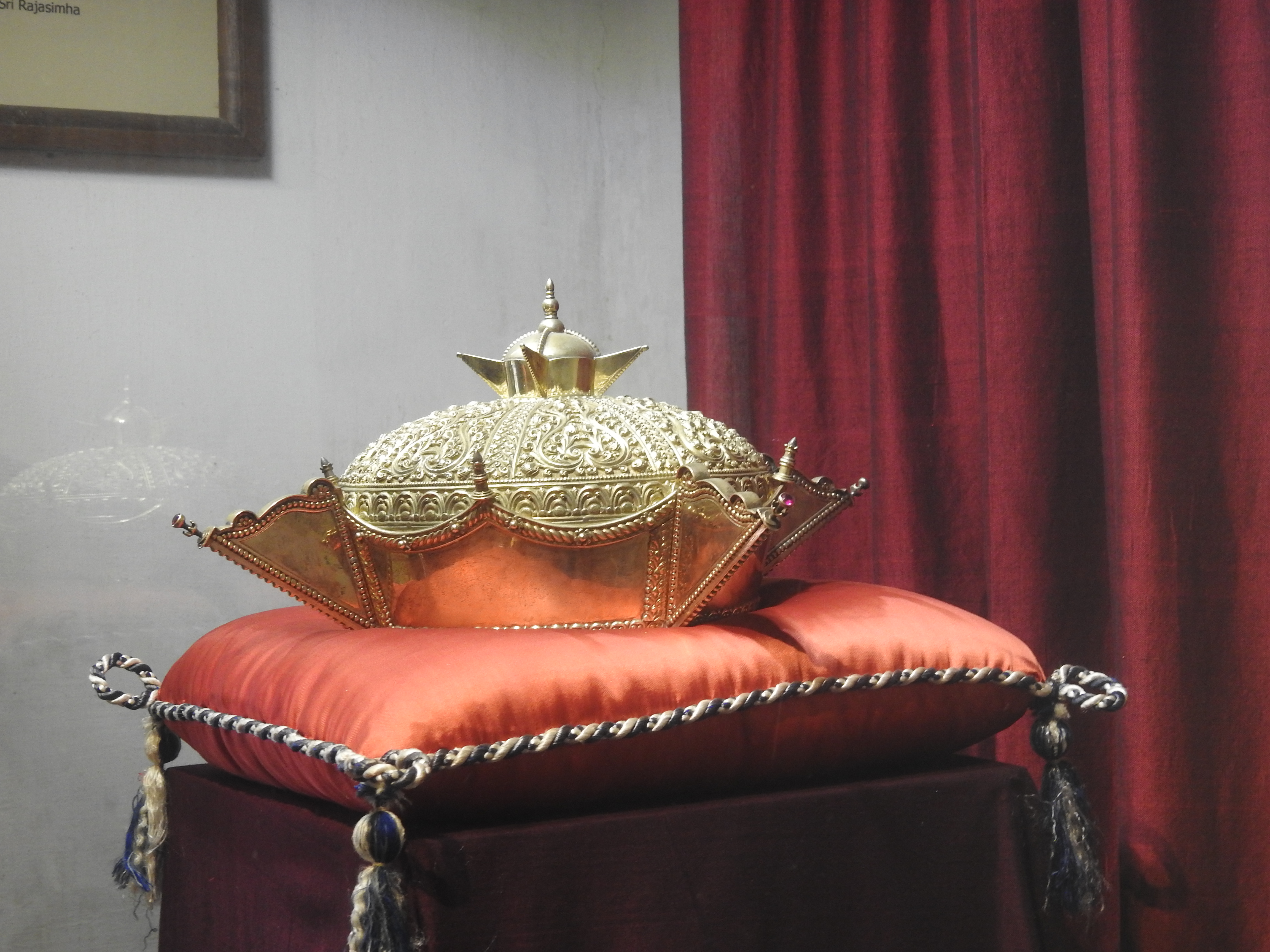
Do I recommend a visit? Only if you are a history buff!
Dutch Hospital Shopping Precinct, Colombo

The Dutch Hospital Shopping Precinct signifies 17th century colonialist architecture. As many Dutch constructions of the era, the walls are thick. The upper level has wooden floorboards. It has transformed little over time.

The Dutch Hospital Shopping Precinct, as the first half of its name suggests, was constructed as a hospital by the Dutch. Being in the vicinity of the harbour, it worked for seafarers. Over time, it was used for several purposes, e.g., as the Colombo Apothecaries and the Colombo Fort Police Station.
Definitely recommended! Go for a meal or for shopping. I shopped for souvenirs at the Luv SL by Odel store. I would have loved to have a meal at one of the many restaurants here, but my eyes were set on Shangri La!
Do I recommend a visit? Yes!
Nature
At the cost of inviting sniggers, we state that Sri Lanka is a lot like India. That is, it has something for everyone. (Of course, fewer people. Of course, smaller distances.) If you are done with lounging on the beaches, or tired of visiting temples, you still have the option of soaking in nature.
Kandy Lake
The Kandy Lake brings a sense of calm to this busy intersection.
I exited the Queens’ Bath and began a nice, leisurely walk on the Kandy Lake promenade. One of the noticeable bits is the number of ducks, egrets, herons and ibises here. The nicest part to walk along the Lake is the area around the Sri Dalada Maligawa because the other parts are right on the road with heavy traffic.
The Kandy Lake also has a tiny island. Legend has it that this island is connected to the palace by a secret tunnel and was used by the kings back in the day! It is also said that the Lake was built over a paddy field.
Kandy Viewpoint
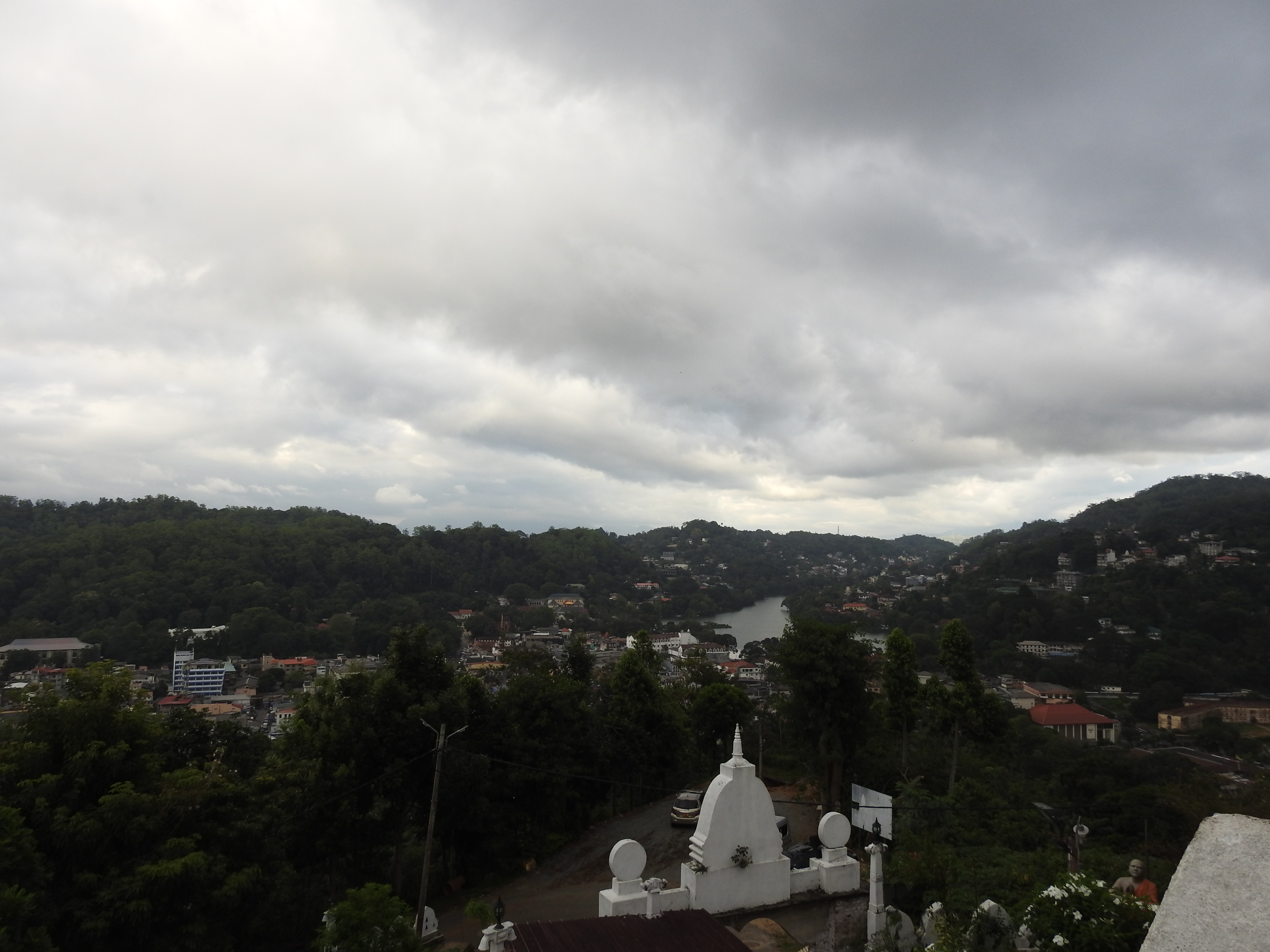
The Kandy Viewpoint gives a great bird’s eye view of the city. Can you spot the Sri Dalada Maligawa?
After visiting the Bahirawakanda Temple, I crossed over to the next hill to get to the Kandy Viewpoint. The full town lied ahead of my eyes. I also spotted the Kandy Lake and the Sri Dalada Maligawa. The best part about this is that you can visit anytime during the day.
Do I recommend a visit? Not if you have already visited the Bahirawakanda Temple!
River Mahaweli Ganga, Kandy
A day out on the river…
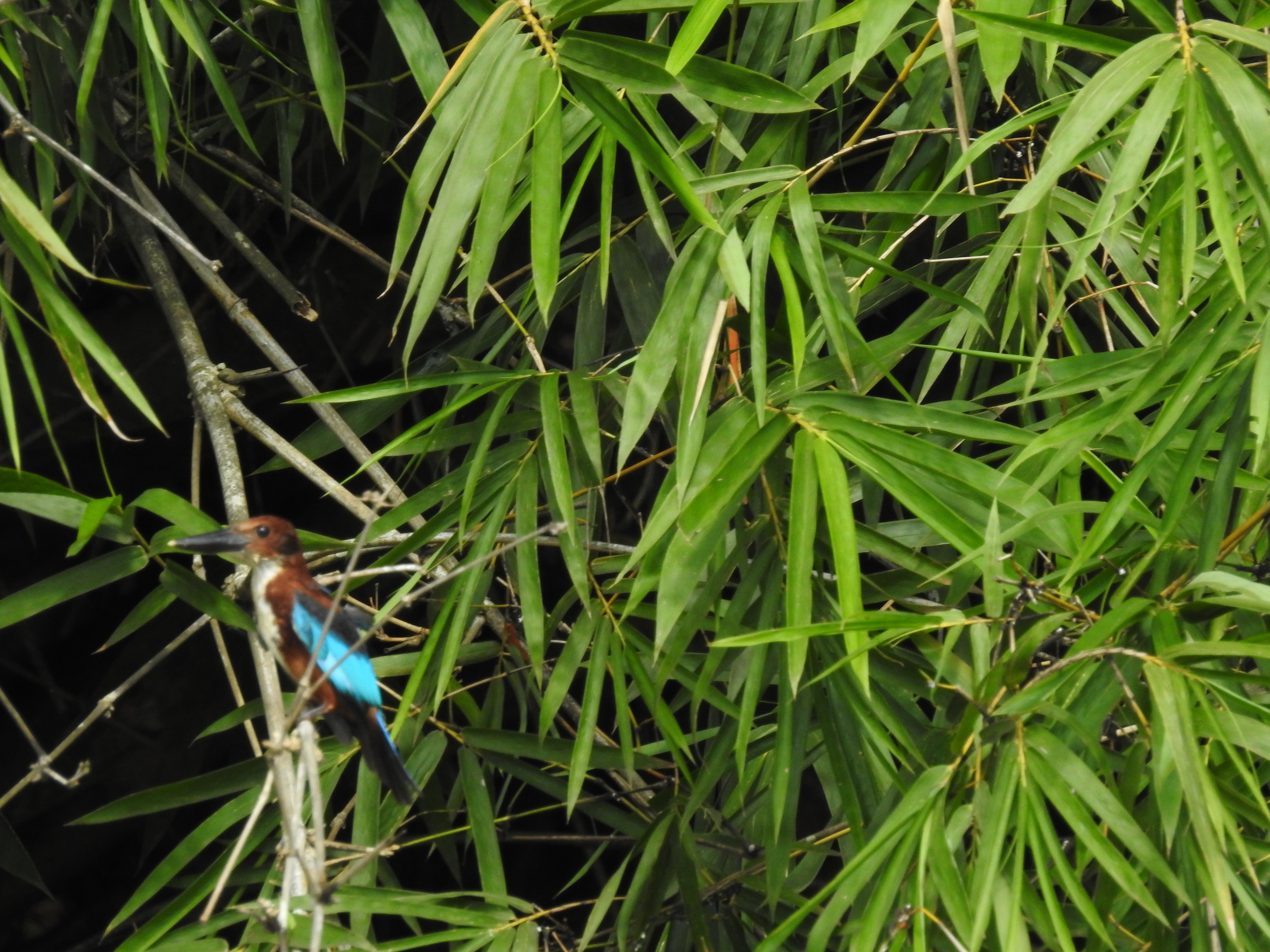
The River Mahaweli Ganga is famous for its birds. I chose to do a boat ride on the River Mahaweli Ganga courtesy my hotel, Mahaweli Reach. I spotted many spectacular aquatic birds like egrets, herons, ducks and kingfishers.
Apart from the birds, just across the jetty, were three trees full of fruit bats hanging upside down. I had seen them flying about at night; in the morning hours, they made for an intriguing sight. Also, it got sunny out on the water right in the morning itself; so, do carry your hat and sunglasses.
Do I recommend a boat ride? Hell yes!
Beaches…
Sri Lanka is, of course, about beaches. However, I visited only the Negombo Beach and the Beach Park in Colombo.
Negombo Beach
Hyperlapsing at the Negombo Lagoon
The Negombo Beach is best visited from November to February when the weather is dry but pleasant. I visited in June when it was humid, but I visited at sunset, when the evening sea breeze made the humidity bearable.
Prior to visiting the Negombo Beach, I visited the Negombo Lagoon. The Lagoon has ample crabs and pomfrets. Here, I got a look at the Sri Lankan fishing methods including the utilization of catamarans. I then stood on the Pitipana Bridge and spent a few minutes gazing at the horizon where the Lagoon merged with the Indian Ocean.
I then headed to the charming Negombo Beach with a quick outside glance at the historic Dutch Fort. Dilan, my cabby, informed me that the Fort serves as a jail now. As I moved along the Negombo Beach Road, I could see that the Beach extended over an extensive distance.
Catching dusk at the Negombo Beach
In the Dutch colonial era, the Negombo Beach served as a seaport for exporting cinnamon bark and other local spices. Today, it is the city’s economic hub by providing an impetus to tourism and continuing the fishing and the cinnamon trade.
The Negombo Beach is famous for its expansive, gentle golden shore. A hotel strip runs alongside it. I saw families enjoying beach games but the cherry on the cake was the groups of friends jamming. Their small cars were packed with a sound system, and they had basic music instruments themselves using which they produced beautiful, peppy music, setting the note for the evening.
After listening to the jam for a few minutes, I took a walk on the pure Negombo Beach. In mild weather, I could imagine sightseers using it as an exceptional spot for morning relaxation, tanning or, like me, enjoying a relaxed evening.
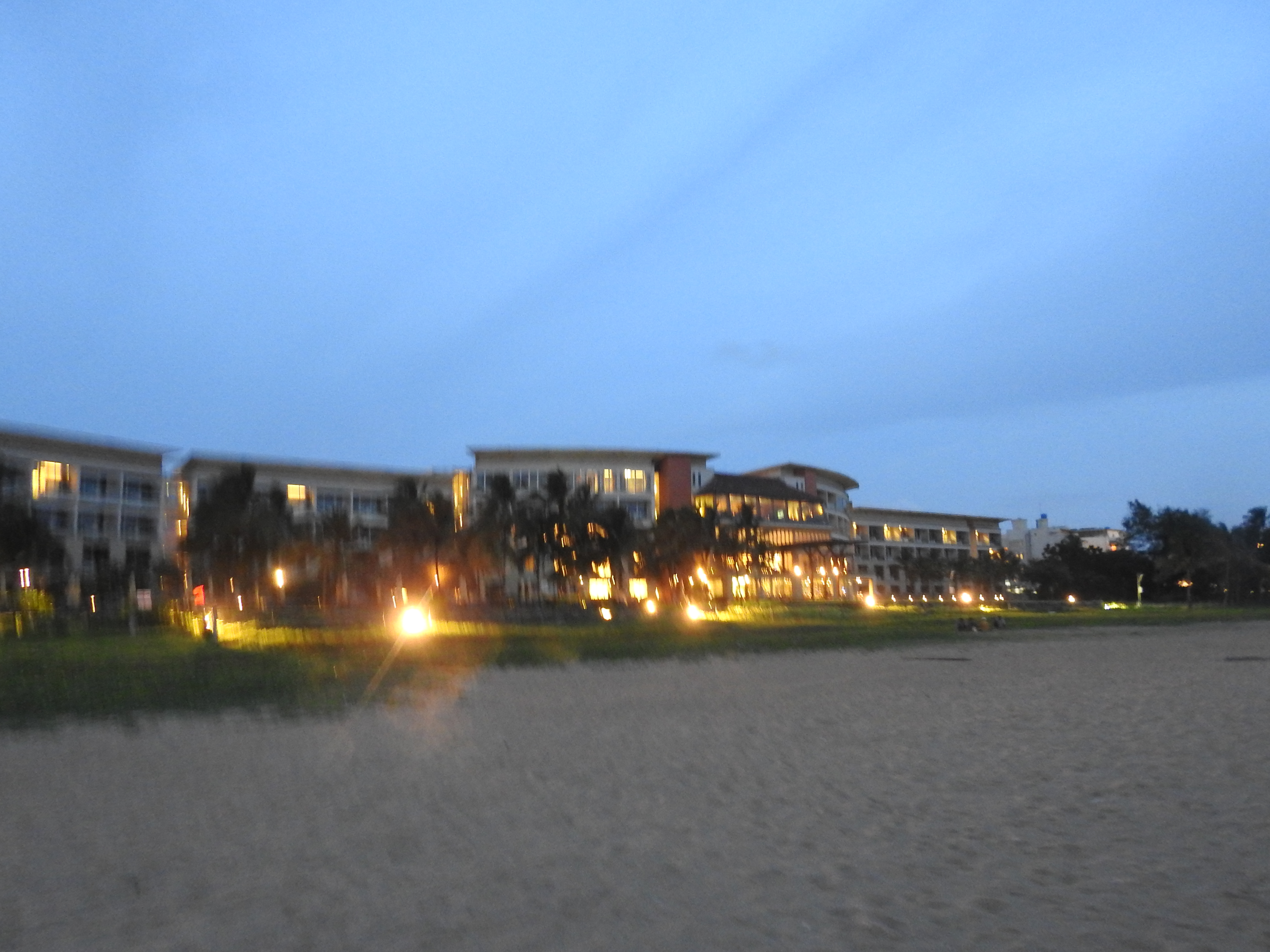
Being in the vicinity of the airport, the Negombo Beach becomes a perfect place to relax before boarding your flight back home. It is full of charming gems to discover. I could see why it is a prevalent attraction of this sea town.
Do I recommend a visit? Yes!
The Beach Park, Colombo

The Beach Park is a part of the Port City, Colombo. It is a reclaimed beach. It is family friendly with many options for recreation. It is swimmable. I entered from the Plaza which had a number of cafes and some lively music playing.
Emerging on the other side, I found myself face to face with the Indian Ocean. Just ahead of the plaza was a floating dock from where locals and sightseers alike headed out for boating and kayaking. I turned left and began to walk.
In the distance, I could see the Shangri La and the One Galle Face. Close by, families enjoyed open water swimming, cricket and football, and a children’s play area. I think I saw a couple of adventurers enjoying kitesurfing too.

It made me really happy to see the Beach Park was dog – friendly with a dedicated play area for dogs! But it was difficult to walk on the sand with my shoes on. So I moved to the cycling/ walking track running parallel to the beach.
The evening breeze was soothing. I spent a good half an hour walking up and down the track, abrupting at least a couple of times a prewedding photoshoot that was going on. The Port City has not been completed yet; the telltale signs of construction and reclamation could be seen.
Do I recommend a visit? Yes!
Sand, sea, sky & skyline!
In the next post, I will bring you a few of my favorite places to drink/ eat in Sri Lanka. Till then, happy sightseeing!

One response to “Sri Lanka Sights I Saw & Loved”
[…] can travel be complete without food? Now that you know where to visit in Sri Lanka, & what to see/ do, it’s time for the restaurants I loved. As before, the below eateries are tried & […]
LikeLike